

Pakistan’s technology landscape is experiencing a quiet revolution. While global smartphone markets obsess over marginal improvements and iterative design changes, Xiaomi Pakistan is fundamentally redefining what modern smart living actually means. It’s not about selling individual devices anymore, it’s about creating an ecosystem where your phone, your home and your life integrate seamlessly through artificial intelligence that actually understands what you need.
The smartphone market in South Asia has historically been dominated by brand loyalty and specification chasing. Consumers compare megapixels, processor speeds and RAM configurations as if these metrics alone determine real-world satisfaction. But this approach solved the problem differently. What if phones weren’t just faster, but smarter? What if they didn’t just store data, but learned from your behavior to anticipate your needs? What if your device ecosystem actually talked to itself instead of forcing you to manage disconnected gadgets?
The AI Revolution Hiding in Plain Sight
Artificial intelligence in smartphones isn’t new, every manufacturer claims AI capabilities now. But there’s a profound difference between AI as a marketing buzzword and AI that fundamentally changes how you interact with technology. Xiaomi Pakistan‘s approach integrates machine learning across the entire device ecosystem. Your phone learns your daily patterns. It predicts which apps you’ll need before you consciously realize it. Battery optimization becomes predictive rather than reactive. Performance scaling adjusts to your actual usage patterns instead of generic optimization.
The practical implications are genuinely transformative. That colleague who’s constantly frustrated with phone slowdown during work hours? Their device is probably fighting against default performance management that doesn’t understand individual usage patterns. Your own experience of battery anxiety, constantly checking percentage, rationing usage during the day, might simply reflect an ecosystem that treats all users identically. This personalized approach adapts to your specific behavior and needs, learning and optimizing in ways traditional devices simply can’t match.
Smartphones That Understand Context and Anticipation
- Contextual performance that scales computing power based on actual task demands, not generic presets
- Intelligent power management that learns your schedule and optimizes accordingly
- AI-enhanced photography that understands composition, lighting and subject matter to produce publication-ready images automatically
- Predictive app management that preloads frequently-used applications before you consciously open them
- Security that learns your behavioral patterns and flags genuinely unusual access attempts while allowing authenticated routine usage
Building a Connected Ecosystem That Actually Works

Here’s the dirty secret about “smart homes”, most implementations create more work than they eliminate. You’re juggling five different apps for five different device categories. Security cameras run through one platform, lighting through another, climate control through a third. Instead of simplifying life, connected devices fragment your digital experience across incompatible ecosystems.
Xiaomi Pakistan solved this problem by designing products that fundamentally communicate with each other through unified architecture. Your smartphone becomes the central hub, not as a separate remote control, but as an integrated command center understanding the entire ecosystem context. Your smart home’s climate adjusts based on your location and arrival prediction. Your security system recognizes you through facial recognition before you even unlock the door. Your entertainment system anticipates what you want to watch based on your schedule and preferences.
This isn’t convenience theater, devices working together independently of your constant input. It’s the difference between automating individual tasks and creating a genuinely intelligent environment that adapts to you rather than demanding you adapt to it.
Innovative Smartphones That Prioritize Actual User Needs

Flagship smartphone marketing typically focuses on specifications that sound impressive but rarely improve actual user experience. Processor speeds increase by percentages too small to notice in real-world usage. Camera megapixel counts increase while actual photo quality improvement plateaus. Refresh rates climb to 120Hz and 144Hz when the human eye can barely perceive the difference beyond 90Hz.
This ecosystem took a different approach, designing features addressing genuine user frustrations. Adaptive display technology that adjusts color temperature based on ambient light and time of day, reducing eye strain during evening usage without requiring manual adjustment. Thermal management that actually dissipates heat efficiently instead of forcing performance throttling. Charging technology that optimizes battery longevity by learning your charging patterns and managing charge speed accordingly.
The camera system represents this philosophy perfectly. Rather than chasing megapixel superiority, innovation focused on computational photography. AI analyzes scenes in real-time, optimizing exposure, color grading and detail enhancement automatically. The result better photos than devices with technically superior sensors, because the software intelligence compensates for hardware limitations through software capability. Night mode captures detail traditional cameras miss entirely. Portrait mode produces depth separation that rivals dedicated portrait lenses. Video stabilization works so effectively you don’t notice the phone is even holding the camera.
Connectivity That Enables Rather Than Limits
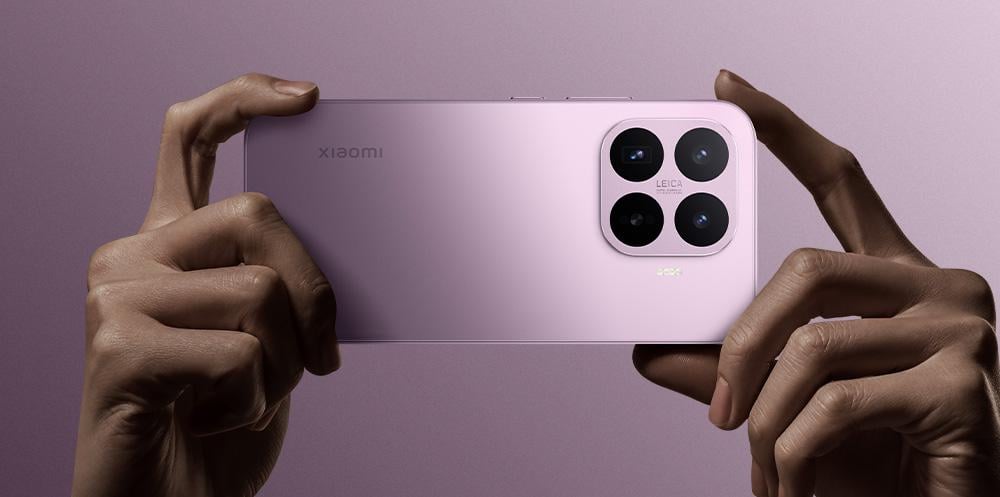
5G networking is coming to Pakistan and Xiaomi Pakistan devices are ready, but they don’t require 5G to shine. The innovation lies in intelligent bandwidth management. Your device understands which applications truly need maximum speed and which work fine on 4G. Streaming quality adapts based on available bandwidth. Cloud functionality works seamlessly whether you’re on WiFi, 4G or limited 3G networks. You’re not constantly frustrated by connectivity problems; instead, your device adapts to whatever connection you have available.
Remote work, increasingly common across Pakistan, depends on reliability as much as raw speed. These devices prioritize this reality. Video calls maintain quality even on congested networks. Document editing stays responsive even with slow connections. File transfers continue intelligently, resuming if connections drop instead of requiring manual restart. The device works with Pakistan’s actual network reality instead of assuming always-on gigabit connectivity.
Privacy and Security Without Compromising Functionality
Technology advancement often comes at the cost of privacy, your data becoming increasingly visible to applications, platforms and advertisers. Xiaomi Pakistan designed privacy protection directly into the system architecture. Apps don’t get blanket permission to access your location, contacts or files. Permissions are compartmentalized and revocable. Your data stays on your device rather than transmitting to cloud servers for processing. AI functions run locally on your phone, not through cloud endpoints where data exposure is inevitable.
This matters profoundly in Pakistan’s context, where privacy concerns and data security anxieties are increasingly mainstream. You’re not trading personal security for device intelligence. Your preferences, locations and behavioral patterns remain truly private, processed locally on your device rather than transmitted to distant servers.
Smart Living Redefined for Pakistan’s Reality

Technology isn’t about specifications, it’s about solving real problems in the lives of real people. Pakistan’s technology market doesn’t need devices optimized for Western use cases. We need devices that understand our electrical grid inconsistencies, our varying network quality, our unique privacy concerns and our cultural preferences. These products were developed with this reality in mind, not as an afterthought, but as fundamental design architecture.
Smart living in isn’t about owning the most sophisticated gadgets. It’s about devices that understand you, anticipate your needs and work together intelligently without demanding constant management. Xiaomi Pakistan’s approach to smartphones and connected devices represents this evolution. Innovation no longer means more features, it means smarter features that genuinely improve daily life. That’s what redefining smart living actually looks like.
