

Wine appreciation represents one of life’s most accessible yet deeply rewarding pursuits. Unlike other luxury activities requiring specialized equipment or facilities, wine enjoyment begins wherever you are, your home, a restaurant, a casual gathering with friends. Yet within this approachability lies remarkable depth; genuinely understanding wine opens doors to sensory discovery, cultural connection and personal enrichment. The journey from casual wine drinker to enthusiastic explorer requires only interest and willingness to pay attention.
The Five Senses Understanding How We Experience Wine
Comprehensive wine appreciation engages multiple sensory systems simultaneously. Sight provides the first impression, observing color, clarity and viscosity offers preliminary information about age, concentration and quality. The nose contributes equally; aromatic compounds trigger memories and associations that enhance and contextualize the tasting experience. Taste itself involves complex perception across different tongue regions, each sensitive to different flavor categories. Temperature, texture and finish complete the sensory profile that transforms wine tasting from basic consumption into active engagement.
Casa Emma Wines selections encourage this multisensory approach, offering bottles rewarding careful attention and exploration. Quality wines reveal themselves progressively, developing and transforming as air exposure and temperature changes affect their character. A wine that seems initially straightforward often demonstrates surprising complexity when given time and attention.
Flavor Profiles Recognizing Tasting Notes and Varietal Characteristics
Wine professionals use descriptive language referencing fruits, spices, minerals and earth to communicate flavor characteristics. Describing wine as having “blackberry and chocolate notes” helps others anticipate flavor directions without dictating rigid expectations. These descriptors represent genuine compounds present in wine, anthocyanins create dark fruit characteristics, volatile compounds contribute spice sensations, mineral compounds reflect terroir influence.
Developing your personal wine vocabulary accelerates tasting skill acquisition. Initially, wines may taste simply “good” or “not good.” With practice and attention, you’ll distinguish specific characteristics, noticing how tannin structure affects texture, recognizing acidity’s role in balance, appreciating how alcohol warmth manifests. This evolving perception transforms wine from backdrop consumption into fascinating exploration. Casa Emma Wines offers Italian selections representing diverse flavor profiles, providing excellent material for developing your tasting vocabulary.
The Science Behind Wine Aging and Development
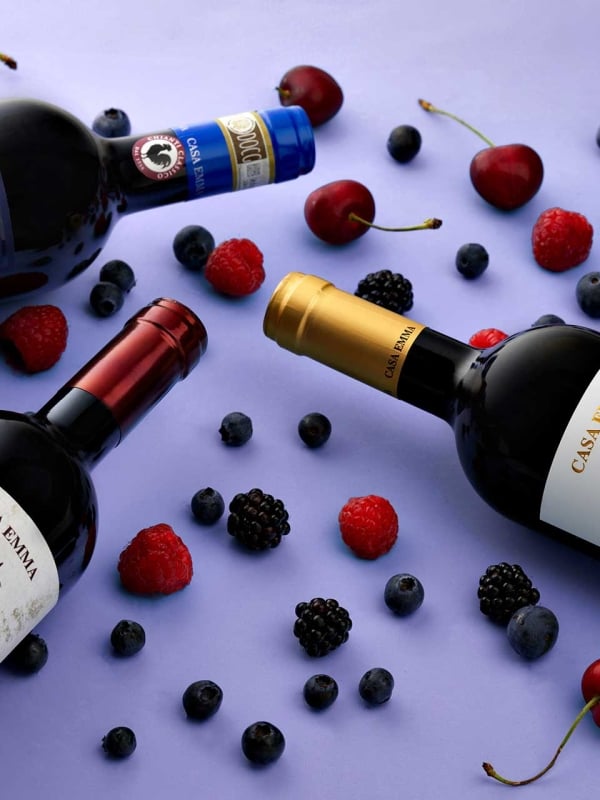
Understanding wine aging mechanisms deepens appreciation for wines that improve over years. Oxidation, controlled interaction between wine compounds and oxygen, drives development of secondary flavors. Primary grape-derived flavors gradually fade as oxidation creates dried fruit, leather and earthy characteristics. Tannins, initially harsh and astringent, polymerize during aging, becoming integrated and smoothing the wine’s texture. Acidity gradually decreases, allowing other flavor dimensions to emerge and dominate perception.
Not all wines age equally; understanding which bottles improve and which should be consumed young prevents wasted disappointment. Wines with higher acidity, tannin structure and concentrated flavors typically age gracefully. Casa Emma Wines curates selections including both immediate-enjoyment bottles and wines worthy of cellaring, ensuring availability across consumption timelines and preferences.
Building Tasting Skills Through Structured Comparative Experiences
The most effective tasting skill development occurs through comparative experiences, sampling wines side by side, noting differences and analyzing what distinguishes superior bottles from adequate ones. Tasting vertical flights, multiple vintages of identical wines, reveals aging effects clearly. Horizontal tastings, sampling wines from the same vintage across different producers, illuminate how winemaker decisions and terroir variations influence final character.
Structured tasting approaches accelerate learning. Evaluating appearance, aroma and taste in consistent sequence builds systematic observation habits. Note-taking preserves impressions for future reference, allowing you to track how your palate evolves. With experience, you develop confidence distinguishing quality indicators and recognizing bottles worthy of special attention. Casa Emma Wines selections provide excellent starting material for building tasting skill, offering quality examples across price points and styles.
Creating the Perfect Tasting Environment and Glassware Selection

Physical environment significantly influences wine tasting success. Temperature affects aroma release and flavor perception, wines taste better at appropriate temperatures, which vary by style. Lighting matters for color evaluation; white walls provide neutral backgrounds for observing hue nuances. Silence or soft music supports concentration better than chaotic environments. Tasting glasses should be clear, colorless and slightly tapered at the rim, shapes designed to direct aromas toward the nose while preventing spillage during swirling.
Preparation considerations include palate cleansing, neutral foods like bread or water between wines prevent flavor carryover distorting subsequent tastings. Temperature management ensures wines remain at tasting temperatures throughout sessions. These seemingly minor details create environments supporting genuine sensory perception rather than interference.
Developing Personal Preference and Wine Discovery Paths
Understanding personal flavor preferences accelerates wine selection confidence. Some enthusiasts gravitate toward bold, full-bodied wines with prominent tannins. Others prefer lighter, more delicate expressions emphasizing subtle aromatics. Neither preference is superior; recognizing your inclinations helps direct selection toward wines you’ll genuinely enjoy. Exploration within preferred ranges deepens appreciation without frustrating detours through styles that don’t naturally appeal.
Discovery tools exist to guide exploration. Wine ratings provide reference points, though remember they represent single evaluators’ assessments rather than universal truth. Food pairing suggestions offer context for understanding how wines perform across consumption scenarios. Casa Emma Wines staff provide guidance aligned with your developing preferences, helping identify bottles matching your taste evolution.
The Communal Aspect Sharing Wine and Building Collections

Wine’s greatest pleasure often emerges through sharing, tasting with friends, discussing impressions, learning from others’ perspectives. Group tastings accelerate skill development as participants compare notes and challenge each other’s assessments. Shared experiences around wine create memorable moments and deepen relationships. Wine selection for special occasions becomes expression of care and thoughtfulness.
Important wine tasting elements include proper glassware, appropriate temperature and sequential evaluation. These factors combine
- Observation of color, clarity and viscosity before tasting
- Evaluation of aromas and volatile compounds through concentrated nosing
- Palate assessment considering texture, flavor intensity and structural balance
- Finish evaluation noting aftertaste characteristics and persistence
- Personal preference assessment independent of critical opinion or ratings
Wine exploration becomes lifelong pursuit for many enthusiasts, offering endless discovery opportunities through traveling to wine regions, studying production methods or collecting bottles representing significant vintages. Casa Emma Wines provides curated selections supporting wine journeys at every experience level, from curious beginners to devoted collectors seeking rare expressions.
The wine world welcomes all participants with genuine interest. Whether your goal involves casual enjoyment or serious collecting, wine communities offer knowledge sharing, taste development and genuine passion for this ancient beverage that continues captivating human imagination across centuries.