
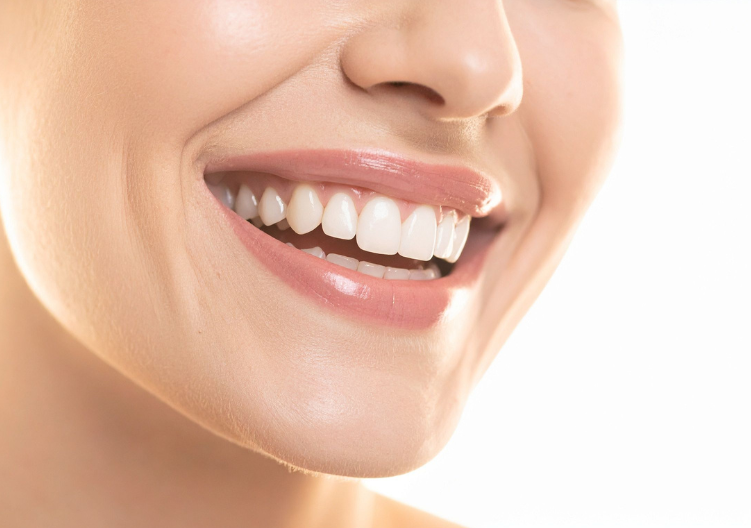
Whitening your teeth represents just the beginning of smile maintenance; the real challenge lies in preserving results over time. Teeth naturally darken as we age through enamel thinning and internal dentin darkening and external staining accumulates through daily consumption of pigmented foods and beverages. A single whitening treatment, whether professional or at-home, provides a baseline brightness that gradually fades without ongoing maintenance. Understanding the factors that cause discoloration and implementing strategic preservation techniques transforms whitening from a one-time intervention into a sustainable practice. Rather than pursuing expensive repeat professional treatments, deliberate maintenance strategies keep smiles bright indefinitely at reasonable cost. Diamond Smile Teeth maintenance approaches support this long-term brightness sustainability, combining strategic touch-ups with daily habits preserving results.
Understanding the Causes of Tooth Discoloration and Staining
Discoloration occurs through two mechanisms extrinsic staining affecting tooth surfaces and intrinsic discoloration affecting tooth structure internally. Extrinsic stains result from surface exposure to pigmented substances, coffee, tea, red wine, tobacco, colored foods and accumulate visibly over time. These surface stains respond well to whitening treatments and prevention strategies. Intrinsic discoloration results from internal structural changes, aging, certain medications, trauma, excessive fluoride exposure during tooth development and is more challenging to address through whitening. Understanding whether discoloration is primarily extrinsic or intrinsic helps set realistic expectations for maintenance. Most age-related darkening is intrinsic, while dietary staining is primarily extrinsic. Professional consultation helps identify the primary cause in your specific situation, informing which preservation strategies will be most effective. Diamond Smile Teeth systems address extrinsic discoloration effectively while being realistic about intrinsic staining limitations.
Daily Dental Hygiene as the Foundation for Brightness
Superior oral hygiene forms the foundation of lasting whiteness. Brushing twice daily with fluoride toothpaste removes surface stains before they accumulate. Flossing daily eliminates plaque and debris between teeth where brushing can’t reach. Professional cleanings every six months by dental hygienists remove stubborn tartar buildup and polished stains professional tools can address. This hygiene routine prevents new stains from accumulating and removes existing deposits. People with excellent daily hygiene maintain whiter smiles longer than those relying solely on whitening treatments without prevention. The consistent small effort of superior hygiene compounds significantly over time. Making this routine automatic, integrating it into daily habits rather than treating it as additional burden, ensures consistency. Quality tools matter too; electric toothbrushes often remove plaque more effectively than manual brushing and professional-grade interdental cleaners access areas standard floss might miss.
Strategic Dietary Choices for Stain Prevention

Staining substances don’t need to be eliminated entirely to protect whitening results; strategic consumption and careful preparation minimize staining risk. Timing matters, consuming staining beverages with meals rather than sipping throughout the day reduces overall teeth exposure. Temperature also matters, hot beverages penetrate enamel more readily than cold drinks, increasing staining potential. Using a straw redirects beverages away from front teeth and rinsing with water after consuming staining substances reduces exposure duration. Some foods provide natural protective benefits; dairy products increase saliva pH counteracting acid and staining; crunchy vegetables like apples and celery provide mild abrasive cleaning. Rather than viewing maintenance as deprivation, frame it as optimization, enjoying staining substances mindfully while protecting teeth.
Professional Touch-Ups and Maintenance Schedules
Most whitening results gradually fade over 6-24 months depending on lifestyle and dietary habits. Rather than waiting for complete fading before retreating, strategic touch-ups maintain brightness by addressing early fading. Professional touch-ups every 6-12 months, timed for when fading becomes noticeable but before significant discoloration returns, keep smiles bright with minimal effort. Some people schedule touch-ups around predictable events, annual holidays or birthday months, establishing convenient routine. Professional touch-ups also provide opportunity for dental consultation, addressing any new issues and reviewing maintenance effectiveness. At-home touch-up treatments between professional visits offer additional cost-effective maintenance, extending intervals between professional treatments.
At-Home Maintenance Systems and Periodic Treatments
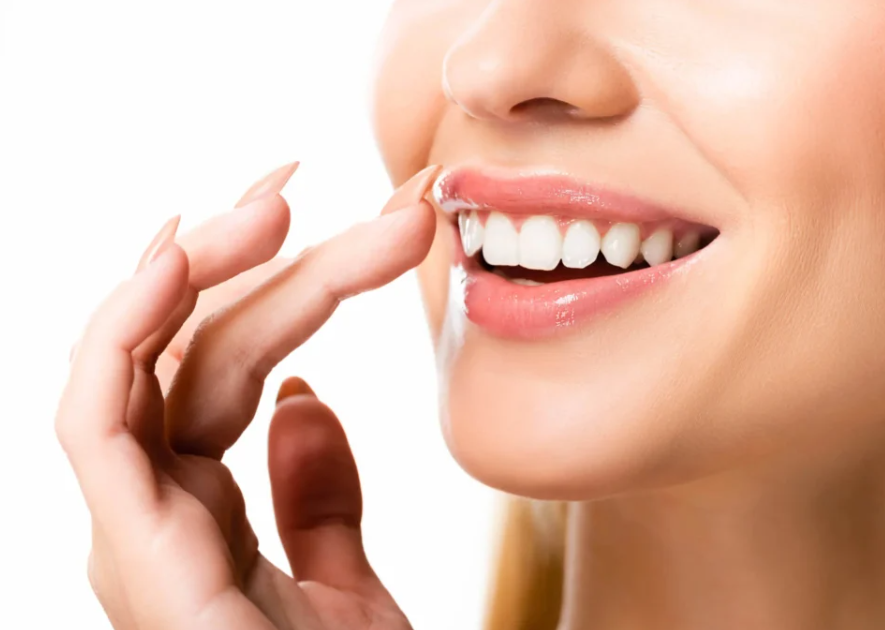
Professional-grade at-home systems work effectively for maintenance. After achieving desired whiteness through initial intensive treatment, reduced-frequency maintenance, perhaps one week every 3-6 months, preserves results indefinitely. These abbreviated maintenance cycles maintain brightness without the extended treatment required initially. Some people incorporate whitening toothpastes and mouthwashes into daily routines for ongoing gentle maintenance, though these deliver less dramatic effects than whitening gels. The combination of strategic touch-ups with daily prevention creates sustainable long-term brightness without overwhelming effort or expense. Diamond Smile Teeth maintenance products support this tiered approach, offering options for intensive initial treatment and gentle ongoing maintenance.
Addressing Specific Lifestyle Challenges to Brightness
Some people face particular staining challenges serious coffee drinkers, wine enthusiasts, tobacco users or people taking medications causing discoloration. Rather than hopeless resignation, acknowledging these challenges and implementing targeted strategies helps manage their impact. Coffee drinkers might transition to white coffee with more milk, reducing intensity while maintaining the beverage. Wine enthusiasts might choose white wine or reduce frequency. Tobacco users gain multiple health benefits plus whiter teeth through cessation. People on medications causing discoloration might discuss timing with healthcare providers, exploring whether dosing adjustments could reduce effects. These adjustments often provide benefits beyond whitening, making them worthwhile investments in overall health and appearance. Diamond Smile Teeth
Age-Related Expectations and Intrinsic Darkening
Natural aging darkens teeth through unavoidable biological processes; this reality means your teeth at sixty will naturally be darker than at twenty regardless of maintenance. Accepting this natural aging while optimizing your current age’s possibilities creates realistic expectations. A sixty-year-old with excellent maintenance might have whiter teeth than a thirty-year-old with poor habits, but the baseline expectation differs from preventing all aging-related changes. Regular whitening treatments can counteract age-related darkening to some degree, though results diminish compared to addressing surface staining. Professional consultation helps establish realistic brightness goals accounting for age, lifestyle and individual biology.
Building Sustainable Long-Term Smile Care Practices
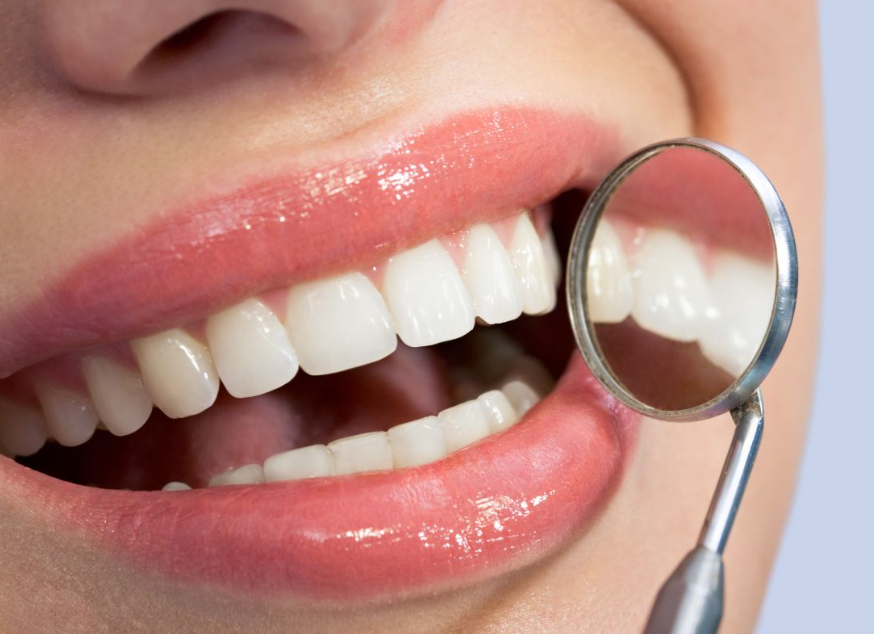
The key to lasting brightness is moving from short-term whitening mindset to long-term smile care practice. Rather than intensive whitening followed by neglect until significant fading occurs, consistent daily care combined with strategic periodic touch-ups maintains brightness indefinitely. This approach requires less total effort and cost than cycling between intensive whitening and significant discoloration. Making daily hygiene automatic, being conscious about staining substance consumption and scheduling periodic touch-ups creates a sustainable system supporting your smile across decades.
- Extrinsic surface stains from lifestyle factors respond well to prevention and touch-up whitening, while intrinsic discoloration from aging has different maintenance implications.
- Daily dental hygiene, brushing, flossing and professional cleanings, forms the foundation preventing new stain accumulation and preserving whitening results.
- Strategic dietary choices including timing, temperature, straw use and post-consumption rinsing minimize staining substance impact without eliminating enjoyment.
- Professional touch-ups every 6-12 months maintain brightness through Diamond Smile Teeth systems and at-home maintenance between professional visits.
- Sustainable long-term brightness results from consistent daily care combined with periodic strategic touch-ups rather than intensive whitening followed by neglect.
Lasting smile brightness comes from treating whitening as the beginning of smile maintenance rather than the end goal, supporting beautiful teeth across your entire lifetime.