
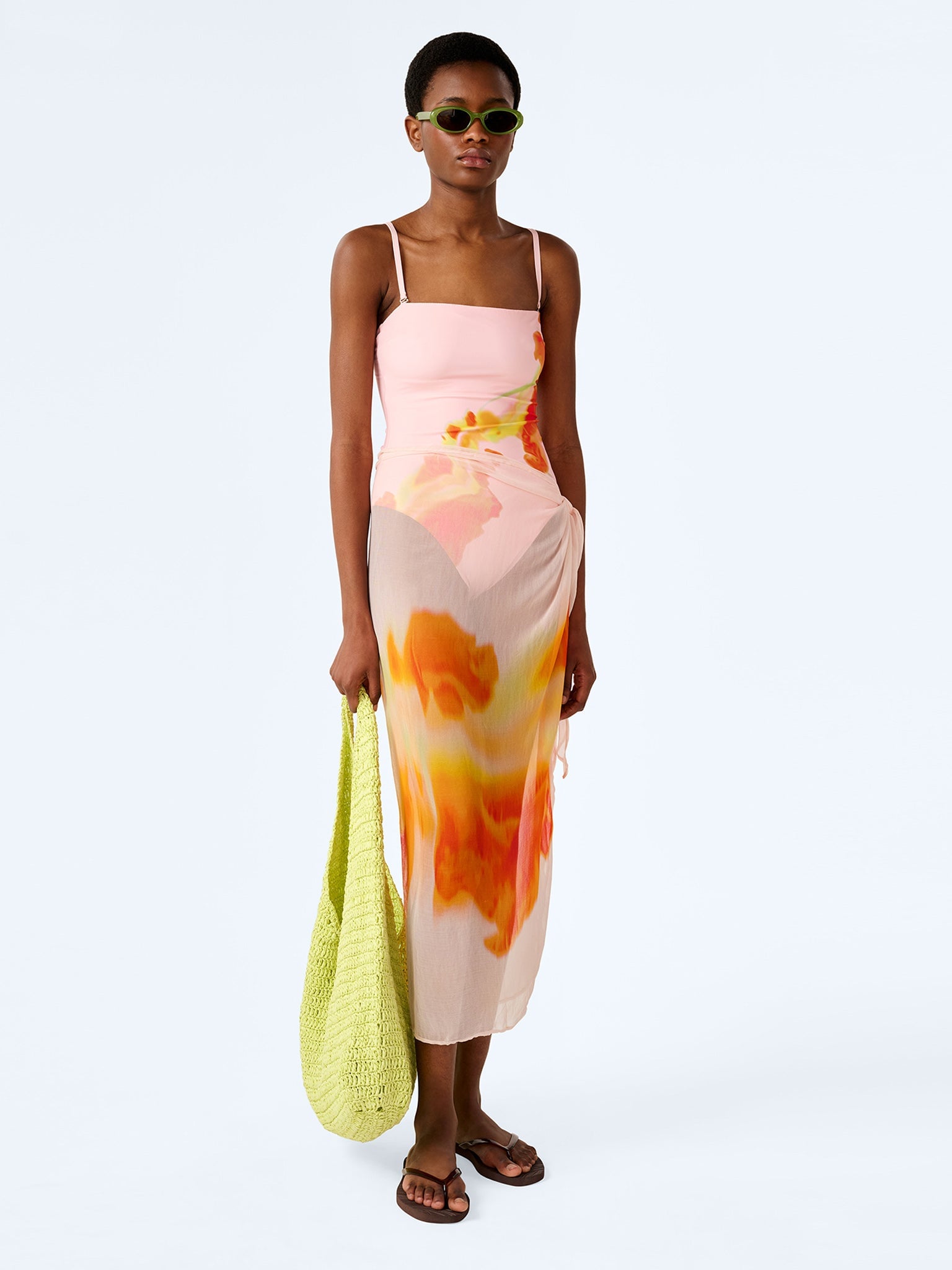
Conscious fashion frequently conjures images of austere aesthetics, premium price tags and limited silhouettes designed exclusively for narrow body types. OMNES shatters these misconceptions entirely, delivering genuinely sustainable clothing that proves accessibility, style, quality and environmental responsibility represent complementary values rather than competing demands. The brand’s approach demonstrates that producing beautiful, durable, inclusive garments while maintaining honest ethical standards costs less than fast-fashion’s disposable model suggests. Understanding how OMNES accomplishes this feat reveals that sustainable fashion represents neither sacrifice nor luxury, but simply smarter consumption.
The fashion industry’s conventional economics reward disposability, shorter garment lifespans trigger frequent repurchasing, benefiting retailers and manufacturers at environmental expense. OMNES inverts this logic, recognizing that durable, timeless pieces ultimately cost less to produce per wear while delivering superior consumer value. By eliminating planned obsolescence and trend-chasing marketing, the brand redirects resources toward genuine quality, better fabrics, more thoughtful construction, extended sizing and ethical labor practices. This reorientation proves financially sound alongside being environmentally responsible.
Strategic Material Selection Reduces Both Cost and Impact
The sustainability conversation often focuses on premium materials, organic cotton, luxury recycled fibers, cutting-edge bio-based fabrics with expensive certifications. OMNES pursues strategic material selection that prioritizes impact over prestige. Organic cotton costs marginally more than conventional cotton but delivers massive environmental benefits, reducing pesticide use and water contamination while maintaining familiar performance characteristics. Recycled fibers derived from post-consumer waste actually cost less than virgin synthetics while eliminating environmental burden of extraction and petrochemical processing. Innovative materials like linen, hemp and responsibly managed viscose provide excellent sustainability profiles at price points competitive with conventional alternatives.
- Strategic material selection prioritizes measurable environmental benefits over marketing narratives
- Organic cotton delivers environmental benefits at only marginal cost premium versus conventional farming
- Recycled fibers cost less than virgin synthetics while eliminating extraction and processing burden
- Pragmatic approach enables broader material availability and more stable sustainable pricing
- Consumers receive genuine environmental advantages without paying premium sustainability markups
The key distinction separates marketing-driven material choices from genuinely impactful selections. OMNES prioritizes measurable environmental benefits over trendy sustainability narratives. This pragmatic approach enables broader material availability, simpler supply chains and more stable pricing. Consumers receive genuine environmental advantages without premium pricing.
Design That Respects Bodies and Builds Longevity
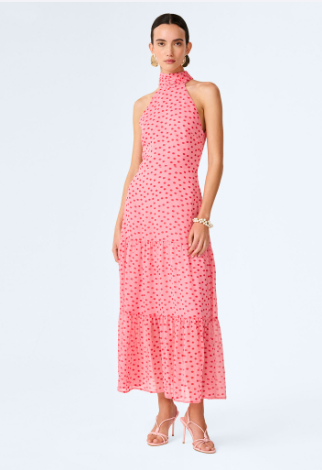
Fast fashion’s profit model depends on frequent replacement driven by changing trends and limited size ranges. OMNES designs for opposite outcomes, creating pieces consumers will wear repeatedly across years. Timeless silhouettes transcend seasonal fashion cycles, resisting the aesthetic obsolescence that typically triggers replacement. Careful pattern engineering ensures garments flatter diverse body types without specialized sizing complexity. Neutral color palettes enable endless styling combinations, maximizing outfit variety from fewer pieces. This design philosophy directly reduces consumption while delivering superior personal economics.
Longevity in design translates directly to reduced manufacturing volume and associated environmental impact. By creating pieces that remain stylistically relevant and physically functional for years, OMNES reduces per-garment production footprint significantly. A classic blazer worn weekly for five years generates vastly smaller environmental impact per wear than ten trendy pieces worn seasonally across the same timeframe.
Ethical Production That Enables Affordability

Labor exploitation typically enables fast fashion’s low prices through inadequate wages and poor working conditions. OMNES demonstrates that ethical production actually aligns with affordability through operational efficiency rather than worker exploitation. Fair wages attract and retain experienced workers, reducing turnover costs and quality inconsistencies. Adequate working conditions eliminate productivity losses from fatigue, injury and unsafe environments. Transparent supply relationships eliminate intermediaries who capture value without adding production benefit. These efficiencies accumulate, allowing OMNES to maintain competitive pricing while ensuring workers receive fair compensation.
The sustainable fashion industry frequently profits through premium pricing justified by ethical practices, understandable given higher material costs and certification expenses. OMNES extends this logic further, maintaining genuine affordability through lean operations alongside ethical commitment. This approach accelerates market transformation by making conscious consumption economically rational rather than philanthropic.
Direct Consumer Relationships Eliminate Waste
Traditional retail models involve extensive intermediary markups, seasonal inventory, overproduction followed by clearance discounting and associated waste. OMNES utilizes direct-to-consumer models minimizing intermediary layers, reducing marketing waste and enabling price transparency. By understanding actual consumer demand directly rather than through wholesale predictions, the brand maintains inventory accuracy and minimizes overproduction. This operational efficiency translates to lower prices, improved margins for ethical practices and reduced waste simultaneously. Direct relationships simultaneously improve customer service through responsive communication and straightforward pricing.
The eliminated waste extends beyond marketing and inventory to packaging, logistics optimization and return management. OMNES invests in responsible packaging while eliminating excessive protective materials unnecessary with direct shipping. Reduced returns result from accurate sizing information and clear product descriptions possible through direct customer interaction.
Circular Economy Thinking Beyond Marketing
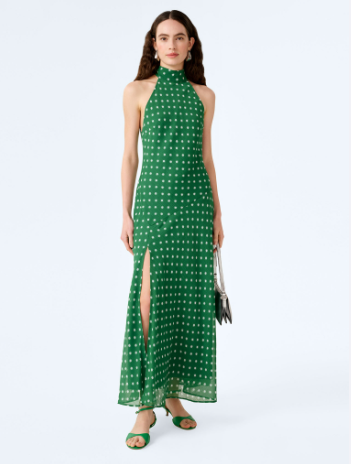
Circular economy concepts dominate sustainable fashion marketing, often without meaningful implementation. OMNES embeds circularity into actual operations, designing garments that withstand extended use, using repairable construction techniques and exploring take-back programs enabling piece repair and eventual responsible materials recovery. Rather than one-time transactions, this approach builds relationships with consumers across garment lifecycles. Repairable construction means consumers extend garment lifespans through minor repairs rather than replacement.
This long-term relationship model transforms economics fundamentally. Rather than maximizing immediate sales, OMNES invests in customer satisfaction and loyalty. This approach reduces customer acquisition costs while generating stable revenue from repeat purchases. The financial logic of sustainability and affordability converge entirely.
Transparency Builds Trust and Justifies Pricing
Premium sustainable brands often struggle justifying prices to cost-conscious consumers, requiring extensive educational marketing. OMNES eliminates this friction through transparent supply chain disclosure. When consumers understand exactly what materials cost, where production occurs and how workers are compensated, reasonable pricing becomes obvious. This transparency eliminates the perception gap separating sustainable fashion from affordable pricing. Rather than asking consumers to trust marketing claims, OMNES provides data enabling independent verification. This trust foundation strengthens customer loyalty while eliminating marketing waste.
The convergence of conscious fashion with genuine affordability through OMNES reflects mature sustainability thinking. Rather than positioning environmental responsibility as premium indulgence, the brand proves it represents intelligent resource allocation. Quality, style, inclusivity and affordability need not conflict, they converge naturally when production prioritizes genuine impact alongside consumer welfare. This approach generates sustainable business while enabling sustainable consumption.
