

Your bedroom is more than just a place to sleep, it is your personal retreat from the demands and stresses of daily life. The design choices you make in this space directly impact your sleep quality, your ability to relax and your overall wellbeing. Creating a bedroom that functions as a true sanctuary requires thoughtful consideration of color, furniture, accessories and the overall sensory environment you cultivate.
Research consistently demonstrates that bedroom environment significantly affects sleep quality and duration. Poor sleep creates cascading effects throughout your entire life, impacting your health, mood, productivity and relationships. Conversely, a bedroom designed with sleep and relaxation in mind becomes an investment in your physical and mental health that pays dividends every single night.
Color Psychology in Bedroom Design
The colors you choose for your bedroom walls, bedding and accessories profoundly influence how your nervous system responds to the space. Cool tones like blues, greens and soft grays promote relaxation and calm, while warm tones can feel energizing but may interfere with sleep if too bright or saturated. Neutral palettes create a sense of spaciousness and serenity.
When selecting a color scheme for your bedroom, prioritize colors that soothe your mind and help you transition away from the stimulation of daily life. Soft, muted tones support relaxation far more effectively than bold, bright colors. Paint, bedding and accessory choices should work together to create a cohesive, calming visual environment that signals to your brain that it is time to rest.
Temperature Control and Air Quality
Physical comfort is fundamental to good sleep and restful relaxation. Your bedroom temperature should be cool enough to support sleep, generally between 60 and 67 degrees Fahrenheit, though individual preferences vary. Proper ventilation and air quality matter equally, as stale air and poor circulation interfere with both sleep and relaxation.
Ensure your bedroom has adequate air flow through windows or fans and consider air-purifying elements if you struggle with allergies or air quality concerns. The combination of appropriate temperature and good air quality creates a physical environment that supports your body’s natural rest cycles and allows for deep, restorative sleep.
Furniture Selection and Room Layout
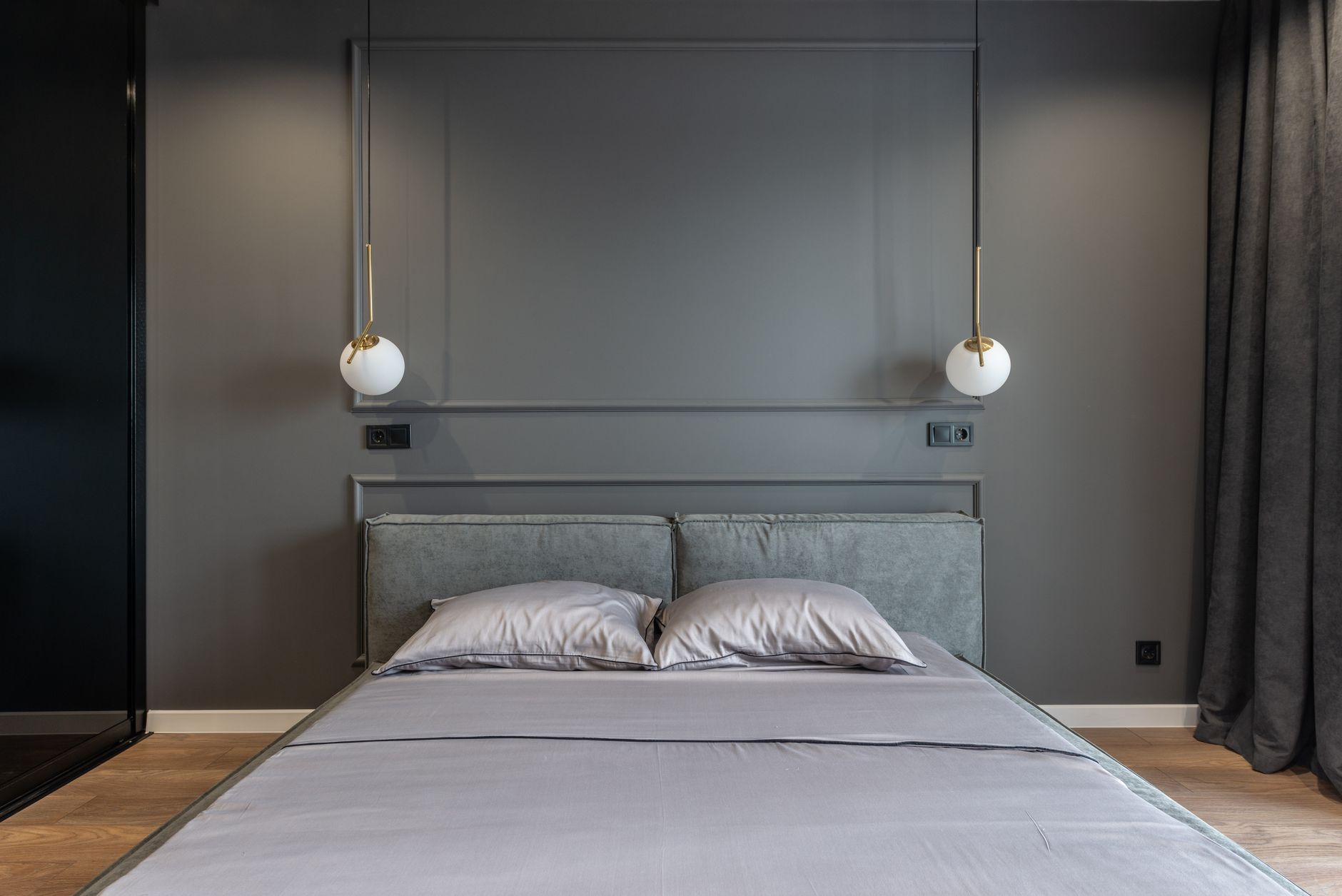
Every piece of furniture in your bedroom should serve a purpose and contribute to either functionality or the overall aesthetic you are creating. Excess furniture creates visual clutter that impacts your ability to relax, even if you are not consciously thinking about the clutter. Thoughtful selection and strategic placement open up the space and create a sense of calm.
Your bed should be the focal point of the room, properly sized for your needs and positioned for optimal sightlines and functionality. Additional furniture should be minimal, attractive and functionally necessary. Bedroom Kandi products are designed to add both beauty and purpose to your space without creating unnecessary clutter or visual chaos.
Quality Bedding as Foundation for Sleep
The single most important investment you can make in your bedroom is high-quality bedding. Since you spend roughly one-third of your life sleeping, the quality of your sheets, pillows and comforter directly impacts your overall life quality. Premium natural fibers offer superior comfort, temperature regulation and durability compared to synthetic alternatives.
Luxury bedding feels noticeably different against your skin and makes a profound psychological difference in how much you look forward to getting into bed. The right bedding supports better sleep, reduces tossing and turning and creates a comfort level that makes your bed a genuinely inviting retreat rather than simply a place you tolerate.
Lighting Design for Day and Night
Your bedroom needs the ability to transition between bright, energizing light during the day and very soft, warm light in the evening. Harsh overhead lighting is inappropriate for a bedroom and disrupts the calm atmosphere you want to create. Instead, layer your lighting with multiple sources that can be controlled independently.
Soft bedside lamps, wall sconces and the option to completely darken the room support both your circadian rhythm and your ability to rest. Blackout curtains or heavy drapes eliminate light pollution and streetlights that interfere with sleep, while also providing privacy and the sense of enclosure that promotes relaxation.
Minimizing Sensory Distractions
Visual clutter, noise and unnecessary distractions undermine your bedroom’s function as a restful retreat. Electronics like televisions, computers and work equipment should ideally be removed from the bedroom entirely or kept in a closet where they are out of sight. The blue light from screens disrupts your circadian rhythm and promotes wakefulness rather than rest.
Minimize noise through weatherstripping on doors and windows, heavy curtains that muffle sound and removing noise-producing items. Your bedroom should feel removed from the bustle of the house and the outside world, a quiet sanctuary where your mind can rest and your body can recover.
Personalization and Aesthetic Appeal
While minimalism supports sleep and relaxation, your bedroom should also reflect your personality and aesthetic preferences. A space that feels impersonal and institutional creates psychological distance rather than comfort. Include elements that bring you joy, whether that is artwork, plants, decorative objects or textiles.
The balance between simplicity and personalization differs for each person. The goal is a space that feels both calm and genuinely yours, reflecting your values and preferences while maintaining the peaceful atmosphere necessary for rest and relaxation.
Storage Solutions and Hidden Organization
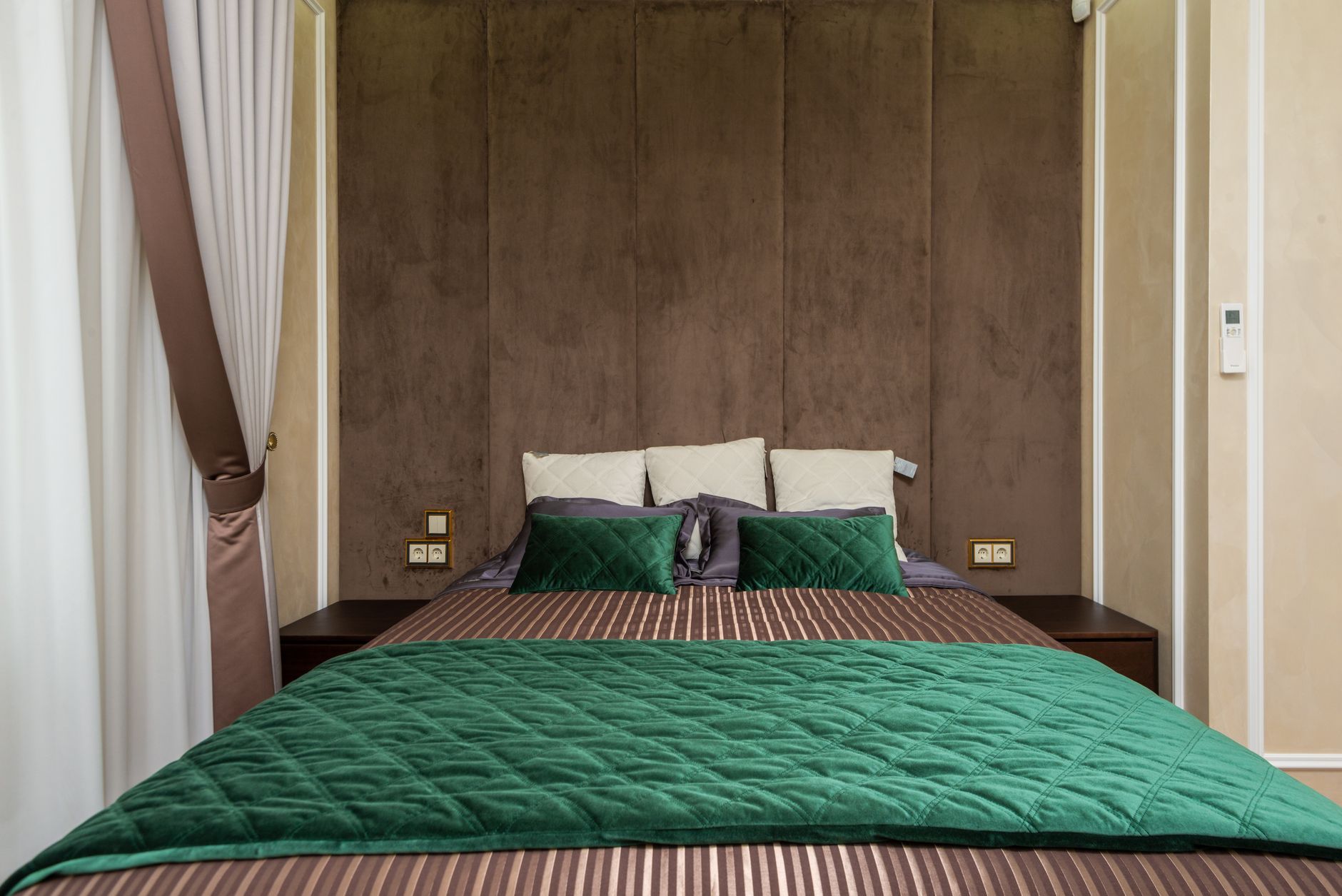
A peaceful bedroom requires effective storage that keeps daily items out of sight. Closed storage in the form of dressers, closets and built-in solutions maintains visual simplicity while providing functional organization. When everything has a place and items are properly stored, the room maintains the clean, uncluttered appearance that supports relaxation.
- Invest in quality bedroom furniture that provides both storage and visual appeal
- Implement a system that ensures items are consistently put away and organized
- Use closed storage to hide the reality of daily life while maintaining accessibility
- Keep surfaces clear of unnecessary items that create visual clutter
- Rotate decorative items seasonally to maintain freshness without overwhelming the space
Creating a Sustainable Sanctuary
Your bedroom design investment should provide benefit for years, not just months. Choose quality furniture and bedding that will withstand regular use while maintaining appearance and function. Proper maintenance extends the lifespan of your investment and ensures your sanctuary remains beautiful and functional.
Regular cleaning, proper care of bedding and fabrics and occasional refreshing of the space keep your bedroom feeling new and special. This ongoing attention signals to yourself that this space is worthy of care and deserves to remain a true sanctuary.
Your Bedroom as Life Quality Investment
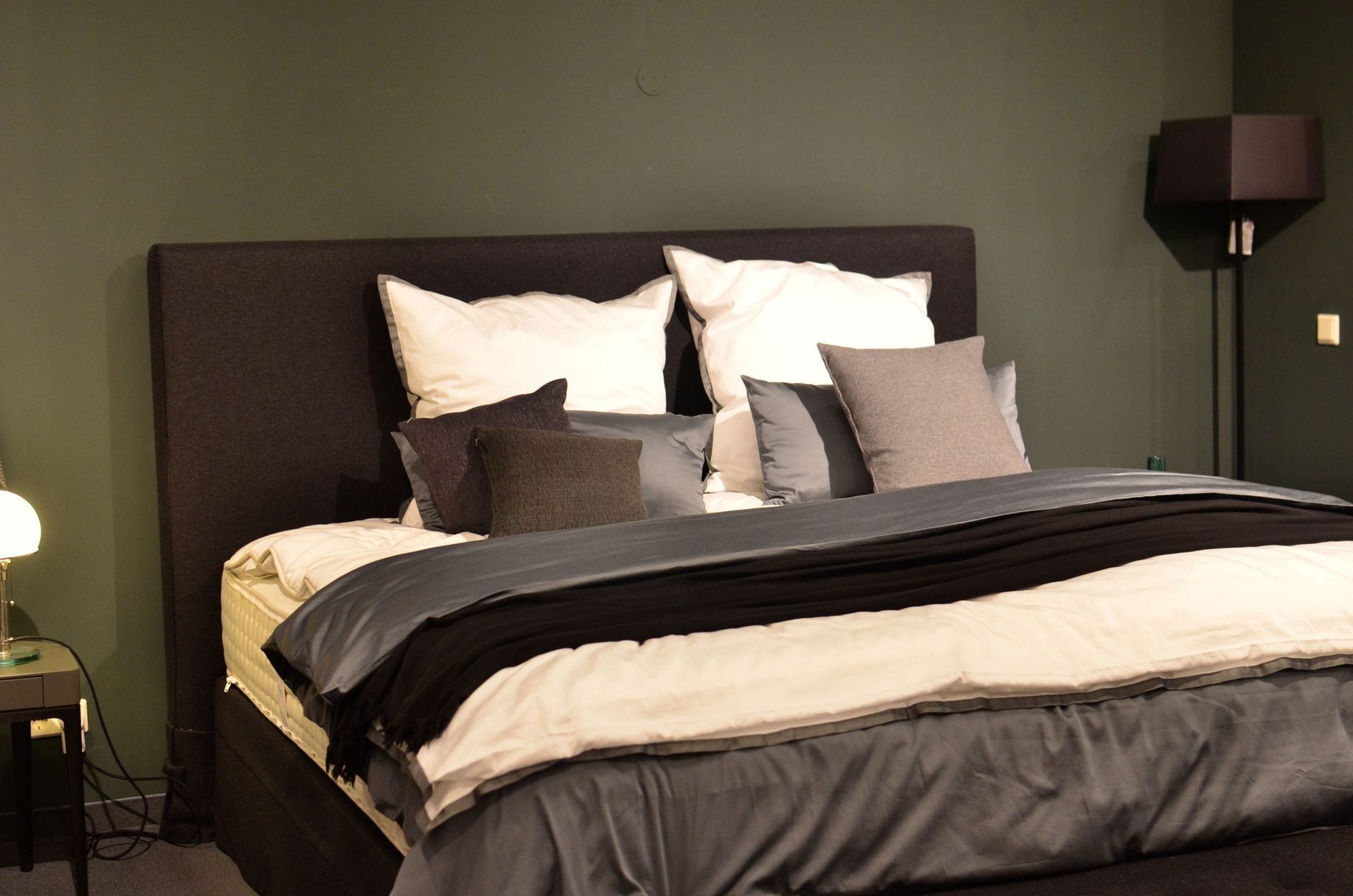
The bedroom deserves serious consideration and investment because it directly impacts your sleep quality, stress levels and overall wellbeing. Whether through choices about color, furniture from Bedroom Kandi, quality bedding or thoughtful design decisions, every element contributes to creating a true sanctuary. A beautifully designed bedroom that supports both rest and relaxation becomes one of your greatest assets in maintaining health, happiness and life satisfaction.
