
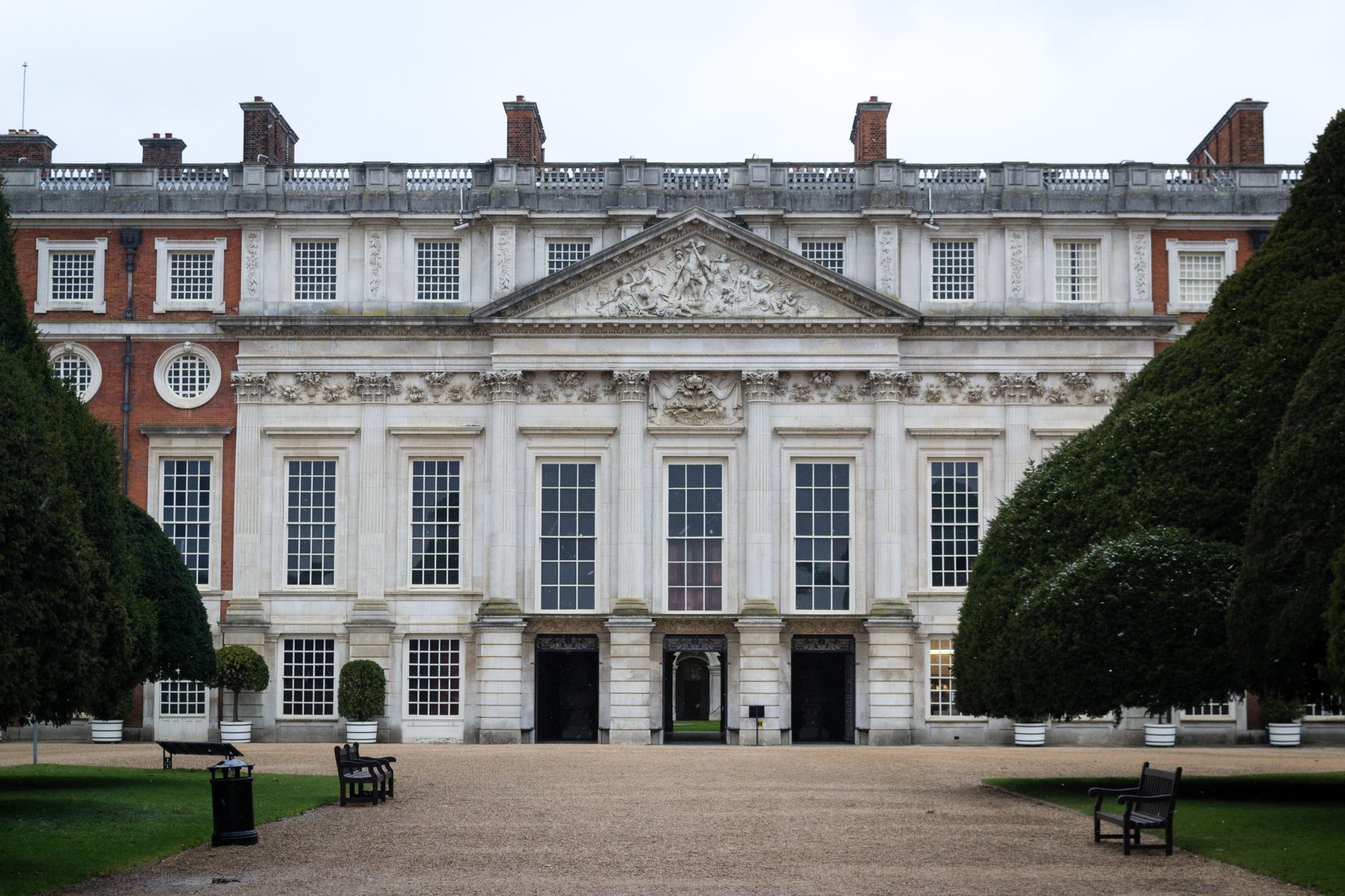
English heritage preservation reveals national identity, cultural achievement, and historical evolution through protected estates and museums maintaining tangible connections to past civilizations. Blenheim Palace exemplifies English heritage preservation combining magnificent architecture, storied history, and accessible cultural tourism within Oxford countryside. Historic estates attract diverse visitors from architecture scholars to family vacationers seeking connection with English traditions and aristocratic heritage. Blenheim Palace structures comprehensive experiences enabling meaningful heritage engagement transcending superficial sightseeing into cultural immersion. Visitors seeking authentic English heritage experiences benefit from curatorial excellence, historical depth, and preservation dedication supporting transformative cultural encounters.
Churchill Legacy and Modern Historical Significance
Historical prominence extends beyond aristocratic ancestry to twentieth-century historical figures creating contemporary relevance and modern historical interest. Sir Winston Churchill’s birthplace significance connects estate to pivotal twentieth-century historical events and wartime leadership. Churchill exhibition presents wartime memorabilia, personal effects, and historical documents revealing leadership perspectives and historical roles. Biographical interpretation contextualizes historical period and leadership achievements within broader historical narrative. Family connections to estate maintenance create contemporary stewardship and heritage preservation dedication. Modern historical relevance attracts internationally-interested visitors seeking Churchill connection and twentieth-century history engagement. Educational programming serves history students and scholarly researchers advancing historical understanding and academic engagement. Cultural impact of modern residents demonstrates living heritage tradition continuing aristocratic stewardship into contemporary era.
Seasonal Beauty and Landscape Transformation
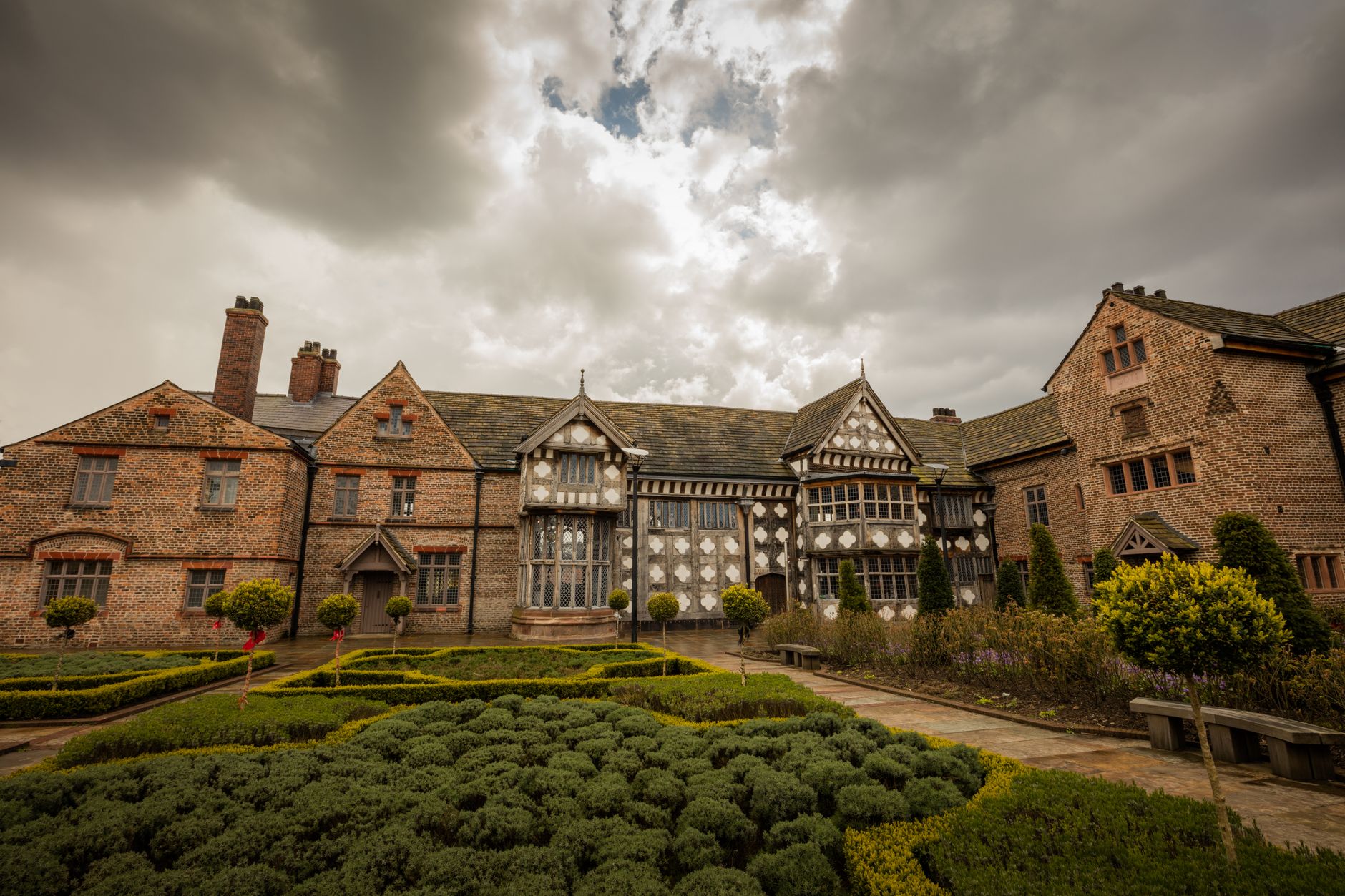
Seasonal variation creates dynamic landscape experiences from spring blossom displays through autumn foliage brilliance providing visual drama and photographic opportunities. Spring season awakens gardens with flowering displays creating colorful landscape transformation and horticultural excellence. Summer warmth enables full leaf growth and lush vegetation creating verdant landscape appeal. Autumn color displays provide dramatic foliage transformation from green to gold, crimson, and bronze. Winter landscape reveals architectural forms and garden structures with stark beauty and sculptural clarity. Seasonal walking provides varied experiences and repeated visit incentives accommodating year-round accessibility. Photography enthusiasts find seasonal variations provide consistent visual interest and artistic opportunity. Climate adaptation reveals resilience and adaptation of historic landscape management across environmental variations.
Educational Programming and Scholarly Resources
Historic estates serve educational missions advancing historical understanding and academic engagement through specialized programming. School visit programs provide immersive learning experiences supporting curriculum requirements and historical knowledge development. University partnerships facilitate research access and scholarly investigation advancing historical understanding. Archival resources enable genealogical research and family history exploration supporting personal heritage discovery. Lecture series featuring historians and specialists provide expert perspective and advanced historical understanding. Publication programs share research findings and scholarly analysis advancing broader historical knowledge. Conservation training programs develop professional expertise and preservation technique advancement. Academic partnerships advance collaborative research and knowledge dissemination benefiting scholarly communities and public understanding.
Visitor Amenities and Modern Comfort
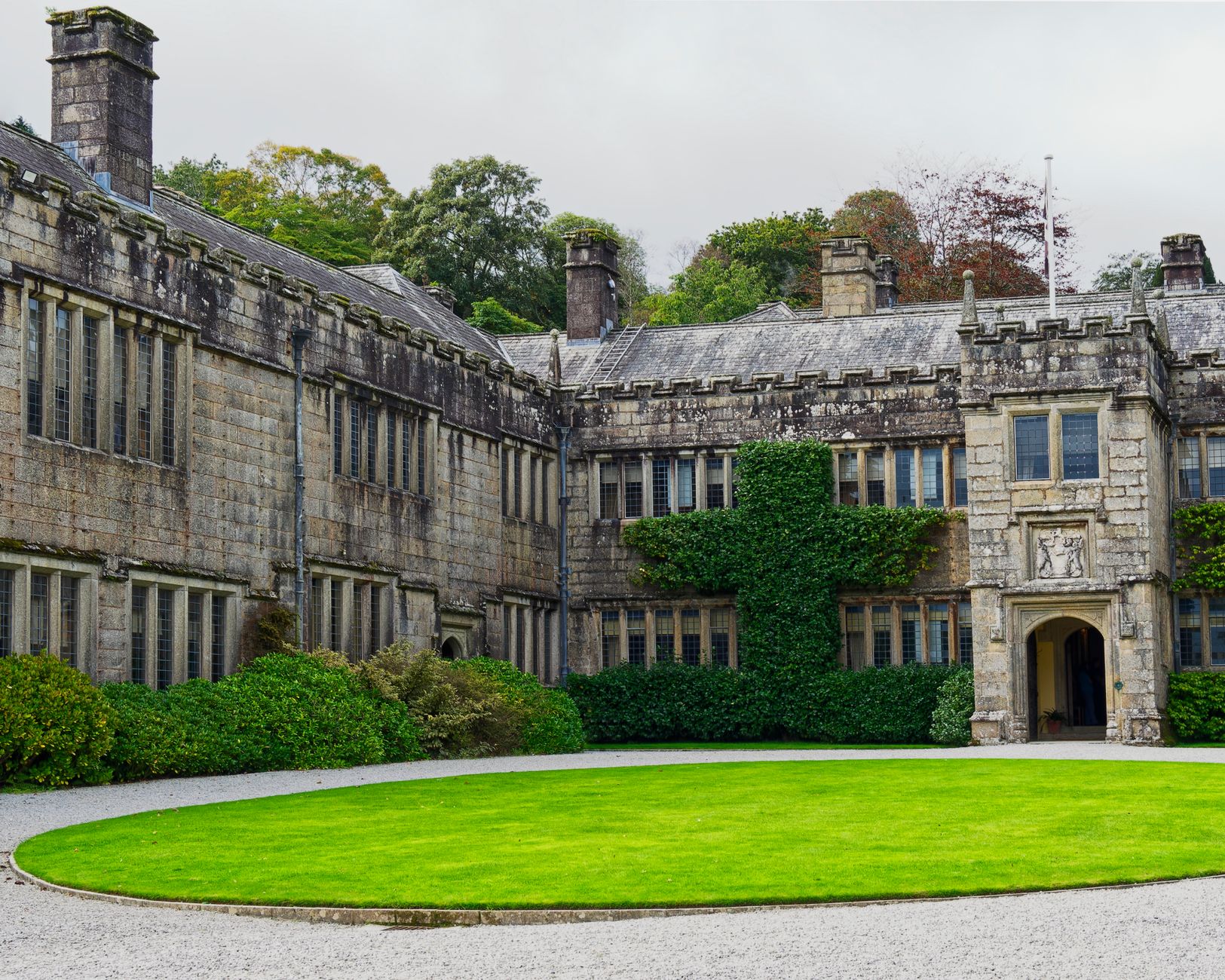
Contemporary visitor facilities balance heritage preservation with modern comfort enabling accessible engagement across diverse visitor demographics. Accessible pathways accommodate mobility challenges enabling inclusive access throughout grounds and buildings. Wheelchair assistance and mobility aids support visitors with physical limitations enabling comprehensive estate exploration. Restroom facilities, food service, and refreshment options support comfortable extended visits. Parking facilities accommodate vehicle access reducing pedestrian access barriers for distant visitors. Information technology including apps and audio guides enhance visitor experience through flexible engagement options. Seasonal opening extends accessibility creating year-round visitation opportunities despite climate variations. Child-friendly amenities including family facilities and playground spaces accommodate family group visits. Visitor comfort prioritization enables accessible engagement across age ranges and physical capabilities.
Cultural Significance Beyond Architecture
Historic estates function as cultural symbols representing national identity, historical continuity, and preservation values within contemporary society. Media representation including film and television production highlights estate prominence and cultural significance. Literary connections through residence of notable authors enhance cultural prestige and intellectual significance. Artistic inspiration documented through painters and artists reveals cultural magnetism and aesthetic influence. Tourism importance within regional economy demonstrates economic value and community resource significance. Heritage identity function within community consciousness reveals psychological importance and cultural meaning beyond physical structure. International recognition establishes global cultural standing and worldwide heritage appreciation. Preservation success demonstrates commitment to maintaining heritage for future generations revealing contemporary cultural values.
Planning Your Heritage Visit
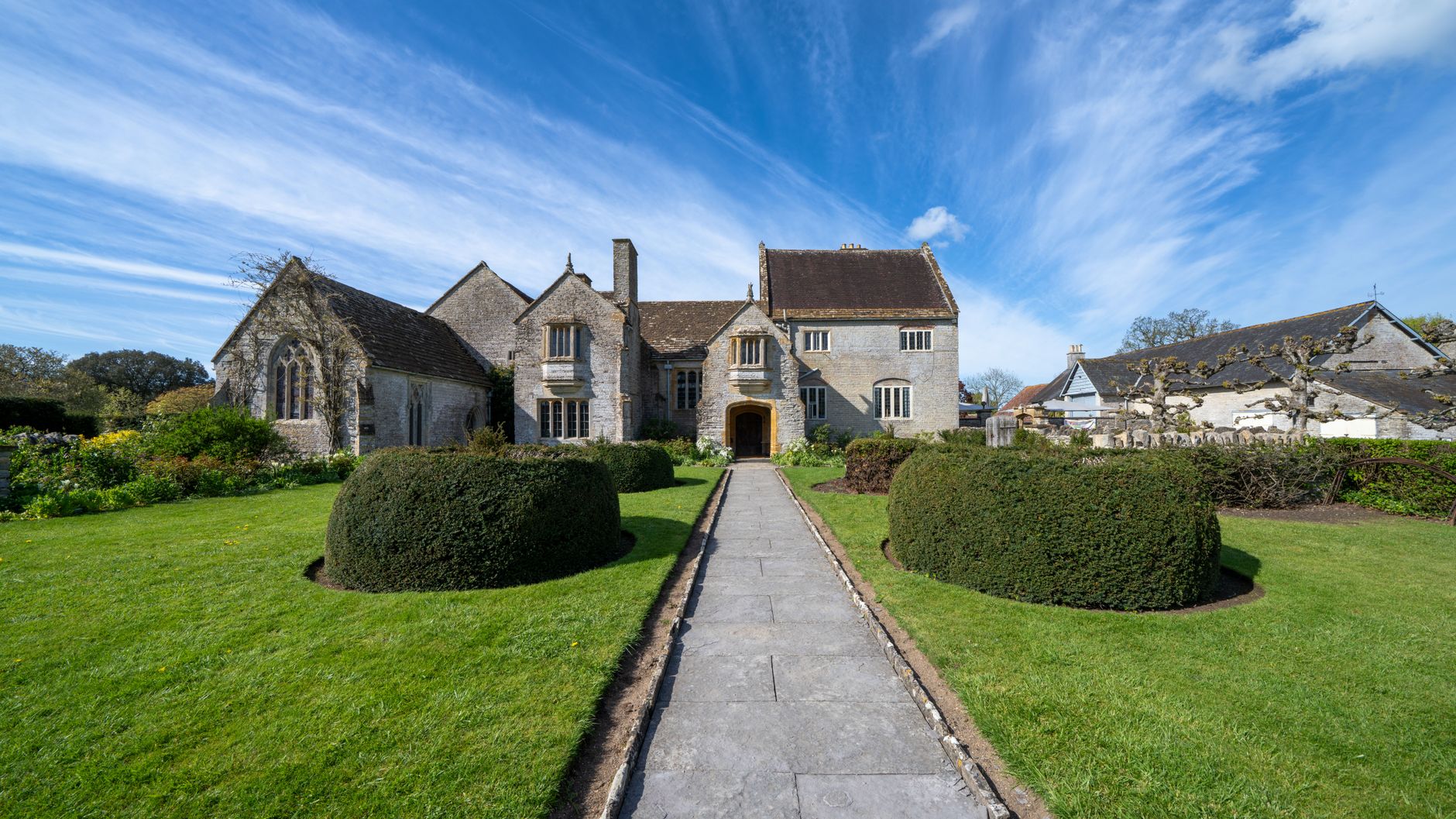
Strategic planning enhances heritage experience through advance preparation and informed visit structuring. Opening hours vary seasonally requiring advance confirmation preventing wasted travel. Admission pricing with family and group options enables budget planning and cost optimization. Transportation options including public transit and parking facilitate efficient access from distant origins. Weather preparation ensures comfortable exploration across seasonal conditions and climate variations. Duration planning allows appropriate time allocation from brief architectural tours through comprehensive multi-hour explorations. Photography planning maximizes visual documentation opportunities with optimal lighting and composition considerations. Group coordination enables shared experiences and family heritage bonding. Blenheim Palace planning resources provide comprehensive visitor information supporting optimal experience planning and satisfying heritage engagement.
For heritage enthusiasts, history scholars, architecture admirers, and cultural explorers seeking meaningful English heritage engagement, Blenheim Palace provides transformative experiences through architectural masterpiece exploration, historical immersion, Churchill legacy connection, landscape design appreciation, seasonal beauty engagement, educational programming, and accessibility accommodations enabling comprehensive heritage understanding and memorable cultural encounters within preserved estate supporting contemporary engagement with English traditions and historical significance.