
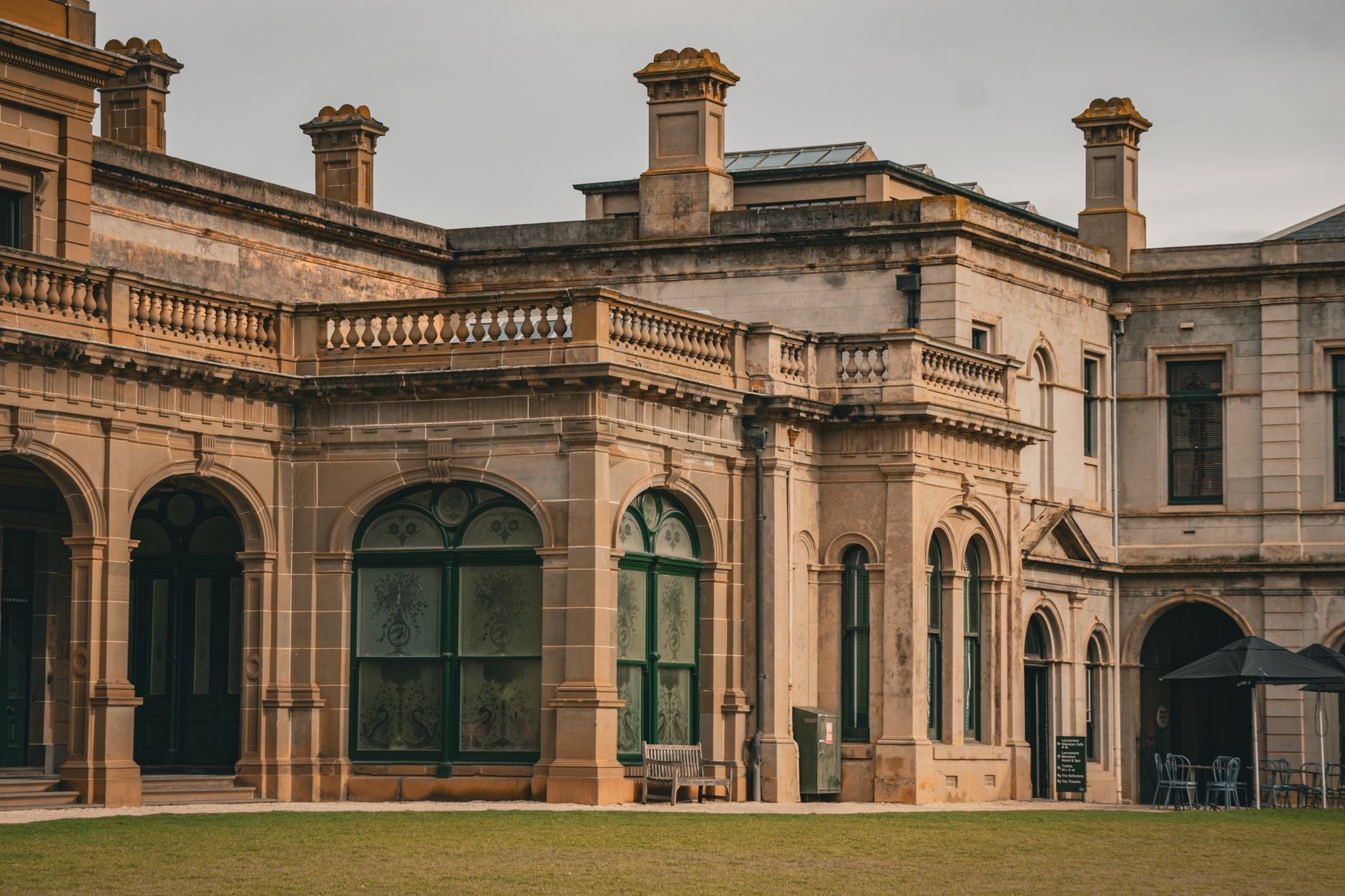
Historic estates represent tangible connections to European cultural heritage revealing architectural achievement, artistic treasures, and family histories spanning centuries of tradition. Blenheim Palace stands among England’s most magnificent stately homes combining architectural grandeur, artistic mastery, and historical significance creating exceptional destination for heritage tourism. Visitors experience preserved aristocratic lifestyle, baroque architectural excellence, and landscape design mastery within UNESCO World Heritage Site protection. Blenheim Palace attracts culturally-curious travelers, architecture enthusiasts, and history scholars seeking authentic engagement with English heritage and aristocratic traditions. Visitors seeking meaningful heritage experiences benefit from comprehensive tour offerings, curatorial expertise, and contextual interpretation transforming sightseeing into educational immersion.
Architectural Masterpiece and Baroque Excellence
Blenheim Palace represents baroque architectural pinnacle combining dramatic proportions, elaborate ornamentation, and skilled craftsmanship creating visually stunning residence. Architectural historian commentary reveals design philosophy, construction techniques, and artistic intentions underlying facade grandeur. Interior spaces feature ornate ceiling paintings, marble columns, elaborate woodwork, and decorative plasterwork displaying period artistic mastery. Chamber functions reveal aristocratic lifestyle practices from formal dining through private residence chambers. Architectural evolution tracking reveals modifications across centuries reflecting changing tastes and functional requirements. Restoration documentation illustrates preservation efforts maintaining architectural integrity while enabling contemporary access and enjoyment. Photographic opportunities throughout grounds provide memorable visual documentation of architectural achievement and landscape beauty. Design influences trace connections to continental baroque traditions and architectural innovation inspiring imitations across European estates.
Artistic Collections and Cultural Treasures
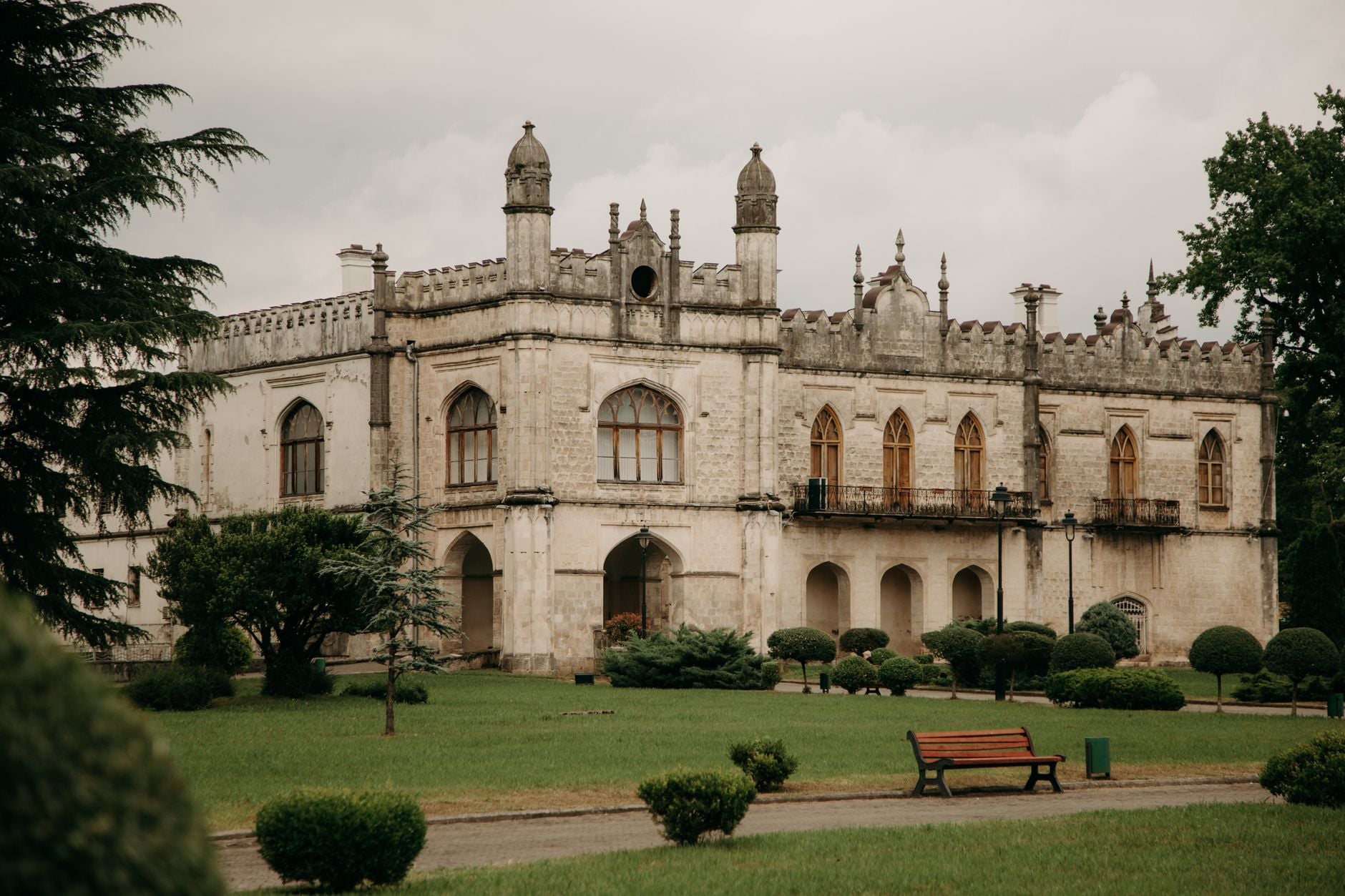
Historic estates accumulated artistic collections reflecting aristocratic patronage and cultivated aesthetic sensibilities revealing period artistic values and collecting practices. Painting collections feature prominent old masters, landscape artists, and portraiture documenting aristocratic life and historical figures. Sculpture collections showcase marble and bronze works enhancing interior and exterior spaces with aesthetic refinement. Decorative arts including furniture, tapestries, and ceramics reveal luxury goods and craftsmanship standards of aristocratic households. Library collections contain rare manuscripts and historically significant publications documenting intellectual interests of successive residents. Curatorial expertise contextualizes artworks revealing provenance, historical significance, and aesthetic achievement. Artist commentary explains techniques, materials, and period trends reflected in collection compositions. Conservation practices preserve precious artworks preventing deterioration while maintaining public accessibility and scholarly study.
Palatial Grounds and Landscape Design Achievement
Estate grounds encompassing hundred-acre landscaped parks showcase landscape design mastery combining formal gardens with naturalistic parkland creation. Garden design reveals horticultural expertise and aesthetic principles underlying landscape creation. Water features including lakes, fountains, and cascades provide visual drama and recreational amenities. Woodland areas preserve native vegetation and forest ecology while providing contemplative walking routes. Formal gardens display seasonal plantings creating colorful floral displays and horticultural interest. Arboretum collections feature diverse tree species enabling botanical appreciation and educational engagement. Walking routes enable systematic grounds exploration at varied pace and duration accommodating diverse visitor preferences. Seasonal variations transform landscape appearance creating year-round visitation appeal and repeated visit opportunities. Landscape photography opportunities throughout grounds provide memorable visual documentation of design achievement and natural beauty.
Historical Context and Family Legacy
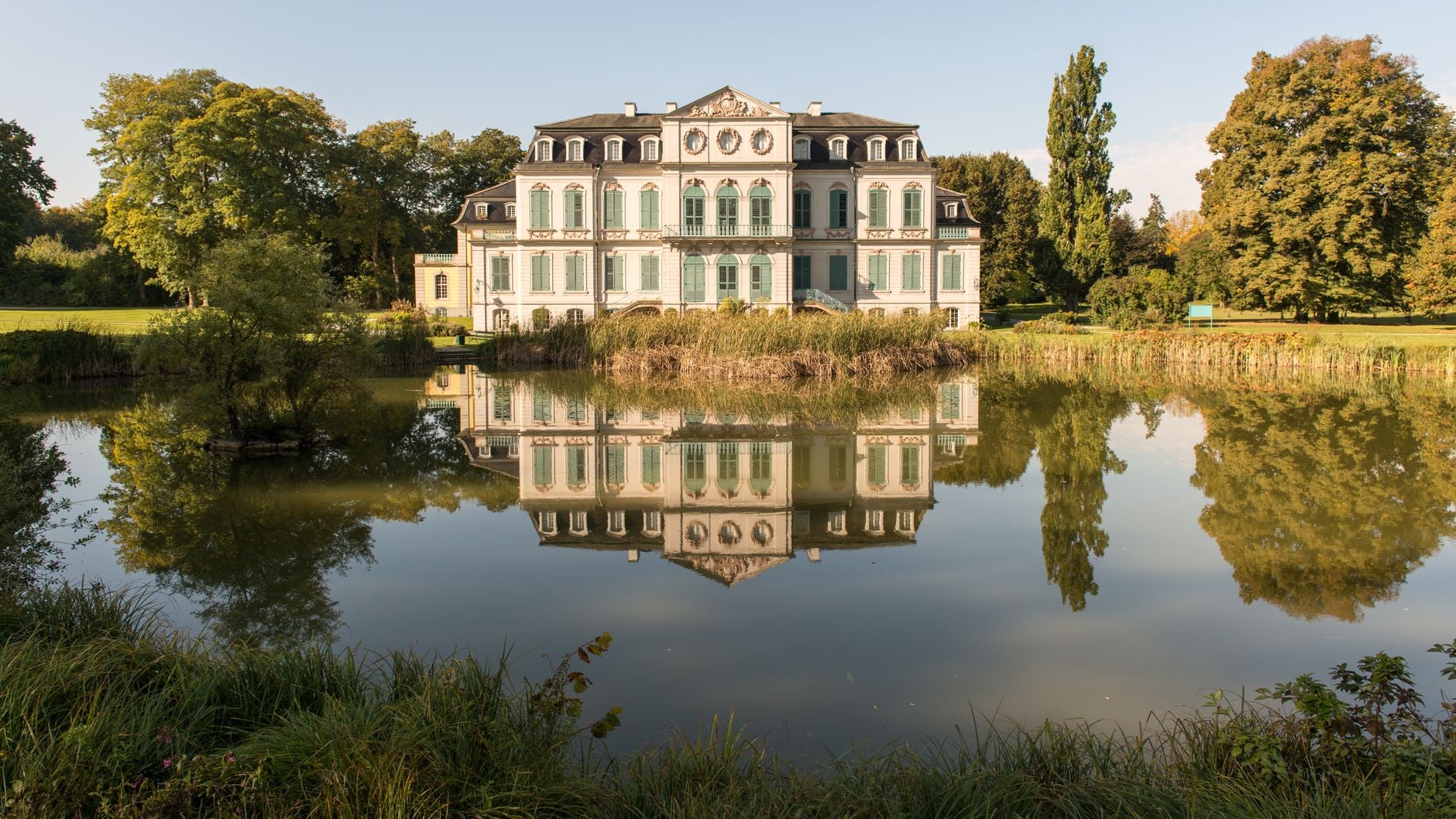
Estate history encompasses centuries of aristocratic lineage, political prominence, and cultural influence revealing family evolution and historical connections. Founder biography reveals historical circumstances enabling palace construction and aristocratic ascendancy. Successive resident documentation tracks family evolution, marriage alliances, and historical involvement. Political connections reveal aristocratic influence on national affairs and historical events. Literary connections including famous residents and historical visitors enhance cultural significance. Wartime history during world conflicts reveals adaptations and service contributions. Contemporary family residence continues aristocratic traditions while enabling heritage preservation and public access. Family portrait galleries and biographical displays personalize history revealing individual personalities and family relationships. Historical timeline displays contextualize estate history within broader historical events and cultural trends.
Visitor Experiences and Curatorial Offerings
Museum quality curation provides contextual interpretation transforming passive observation into active learning enabling meaningful understanding and engagement. Audio guide technology offers flexible-paced self-guided exploration with detailed commentary on specific interests. Guided tour expertise provides historical narrative and interpretive perspective enhancing understanding and engagement. Interactive displays explain architectural techniques, historical events, and collection significance through engaging presentation. Period costume demonstrations illustrate historical lifestyle and social customs through experiential presentation. Family-friendly programming including children’s activities and hands-on workshops engage younger visitors. Special exhibitions showcase specific collections or historical themes creating focused exploration opportunities. Event programming including lectures, concerts, and evening gatherings create dynamic engagement beyond standard daytime touring.
Cultural Significance and Heritage Preservation
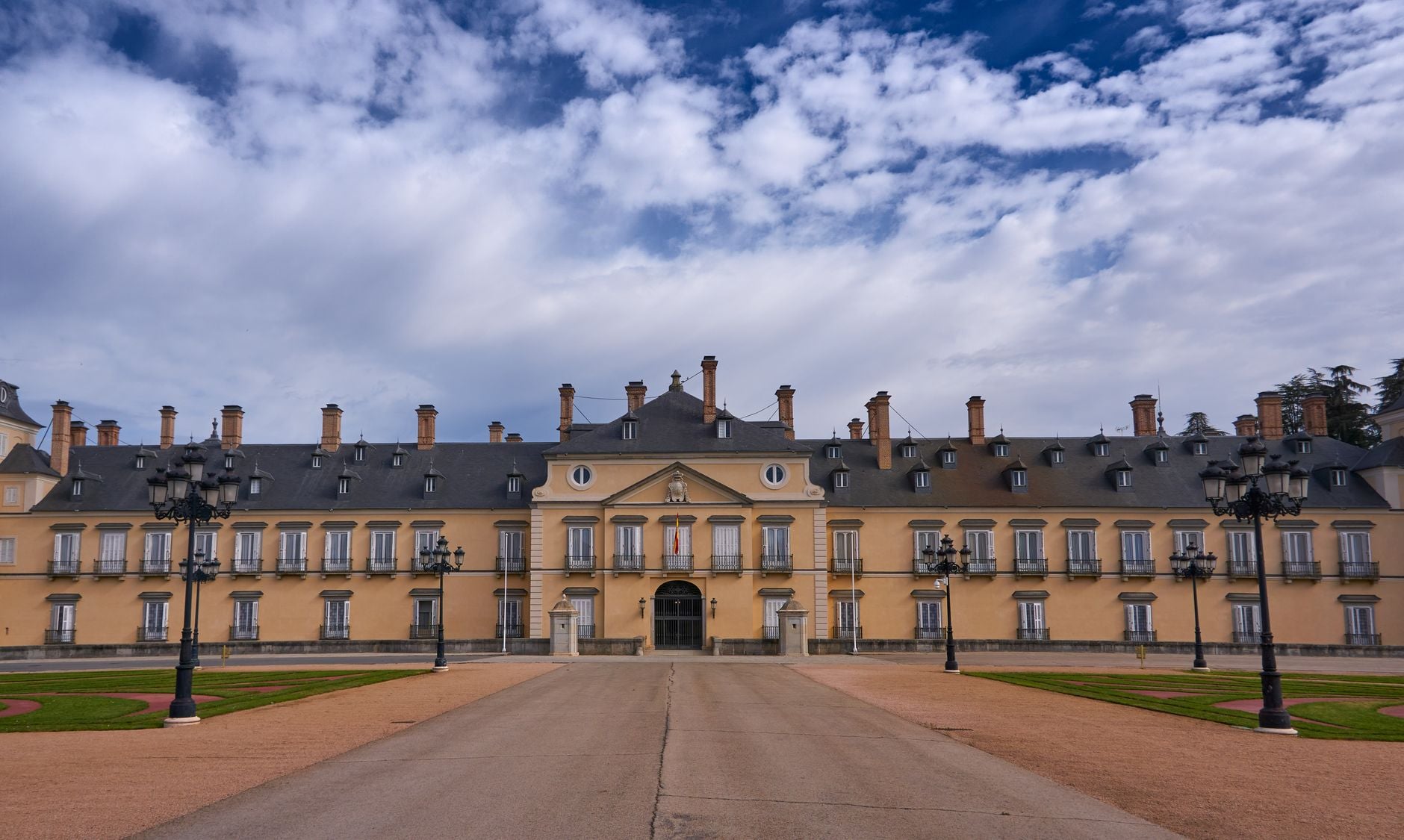
UNESCO World Heritage Site designation recognizes universal cultural value and preservation importance protecting estate for future generations. Conservation practices maintain architectural integrity and artistic treasures preventing deterioration. Archaeological research reveals historical details and provides continuous knowledge advancement. Archival preservation maintains historical documents and records enabling scholarly research and public education. Educational programming serves schools and academic institutions supporting broader cultural engagement. Community involvement in preservation efforts builds local stewardship and heritage appreciation. International recognition attracts global visitors supporting cultural exchange and worldwide heritage appreciation. Restoration achievements demonstrate commitment to preservation while maintaining contemporary visitor access and comfort.
For heritage enthusiasts, architecture admirers, and cultural explorers seeking meaningful engagement with English aristocratic traditions and baroque magnificence, Blenheim Palace provides comprehensive heritage experiences through architectural masterpiece exploration, artistic collection engagement, landscape design appreciation, historical immersion, expert curatorial guidance, and preservation demonstration enabling transformative cultural understanding and memorable heritage destination experiences.