
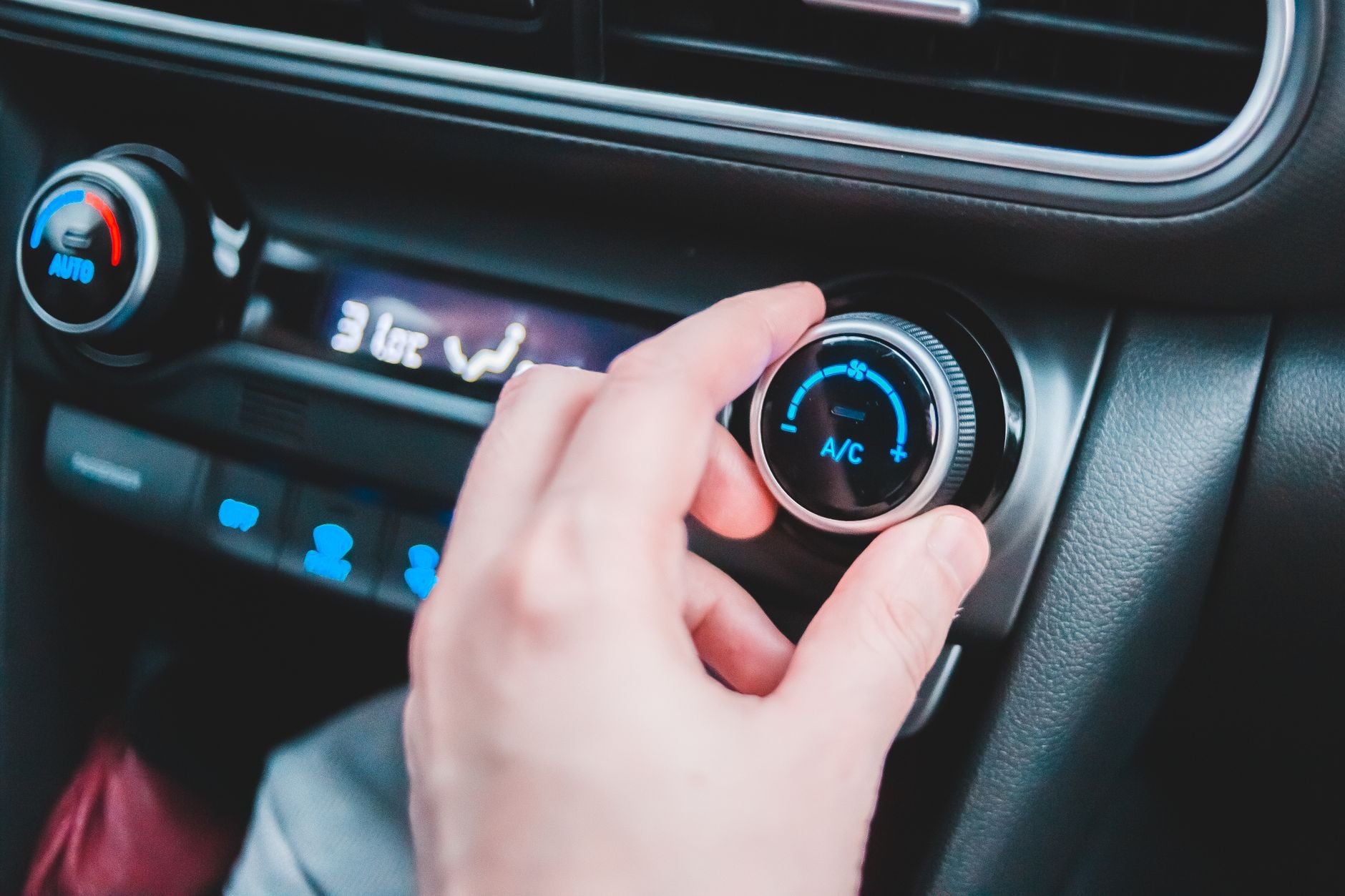
Energy consumption represents one of household’s largest expenses, particularly in climates requiring substantial cooling. Air conditioning systems operate months annually, consuming significant electricity that translates directly into utility bills. Yet most people accept high cooling costs as inevitable rather than exploring modern solutions dramatically reducing energy consumption. Technological advances in air conditioning systems now enable efficient cooling using substantially less electricity than traditional equipment. Air Concentre specializes in modern cooling solutions that deliver superior comfort while reducing energy expenses significantly.
Understanding Energy Waste in Traditional Systems
Many residential air conditioning systems were installed years or decades ago when efficiency standards were less stringent. Older equipment operates continuously at fixed capacity regardless of cooling demand. Inefficient components waste energy through unnecessary operation. Lack of smart controls means systems run when rooms are empty or cooling requirements are minimal. This wasteful operation accumulates substantial annual energy expenses. A typical household might spend thousands annually cooling inefficiently because equipment hasn’t been upgraded since installation.
Air Concentre recognizes this reality, offering modern systems designed from inception with energy efficiency as primary objective. Contemporary air conditioning units incorporate technology reducing energy consumption by forty to fifty percent compared to older equipment. Smart controls enable operation only when cooling is needed. Advanced components minimize energy waste while maximizing cooling output.
Variable Speed Compressors and Adaptive Cooling
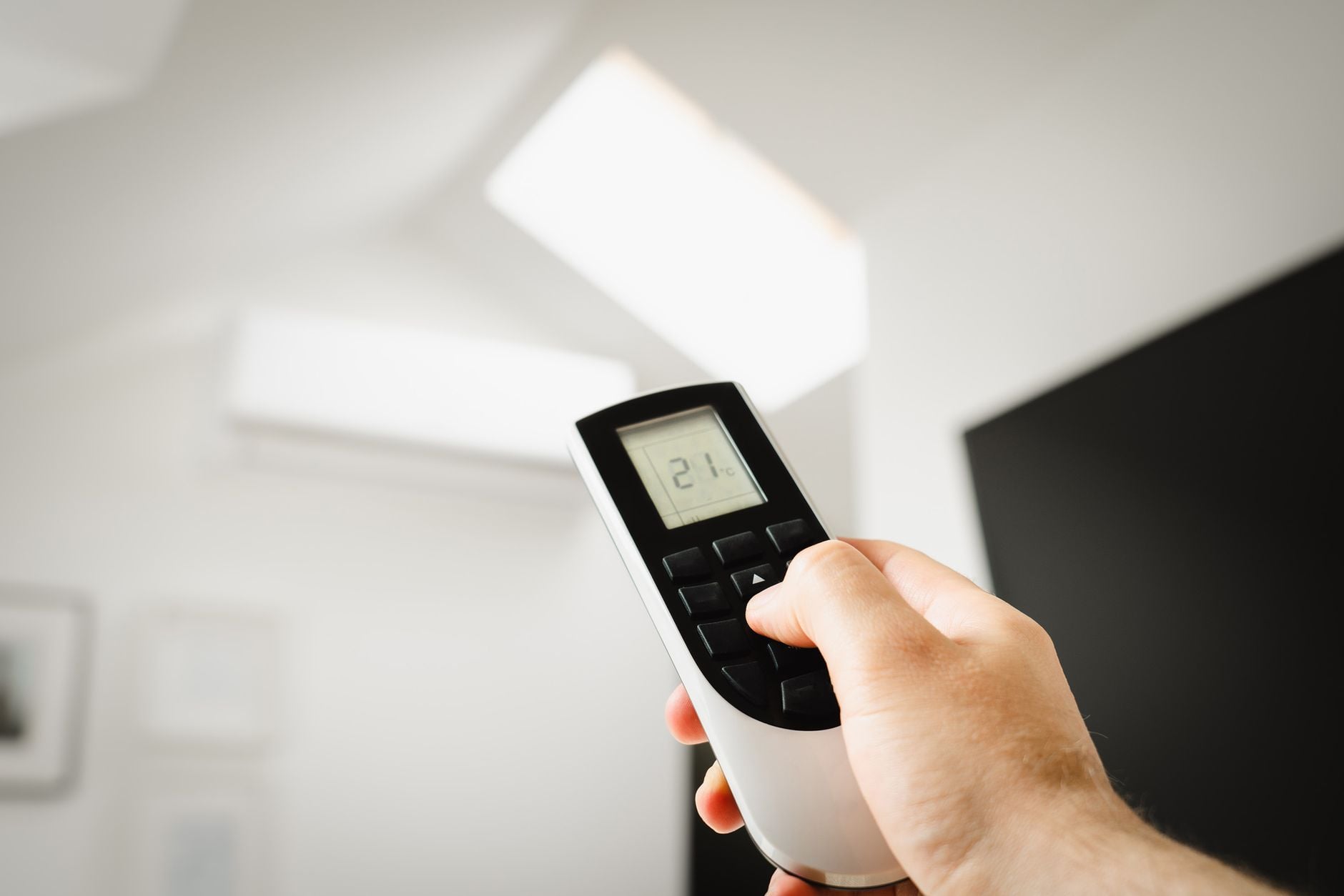
Older air conditioning systems operated at single speed—either fully on or off. This binary operation creates inefficiency. When cooling demand is minimal, units still operate at full capacity, wasting energy. When demand increases suddenly, fixed-speed systems struggle maintaining comfort. Air Concentre systems employ variable-speed compressors that adjust operation to match actual cooling demand. When minimal cooling is needed, compressors operate at reduced speed, consuming minimal energy. When demand increases, speed increases gradually, maintaining comfort while using less overall energy than fixed-speed equipment running continuously.
This adaptive approach means your system uses only energy necessary to achieve target temperature. On mild days requiring minimal cooling, energy consumption remains low. During extreme heat, systems scale up efficiently. Over a cooling season, this adaptive operation reduces total electricity consumption substantially compared to older technology’s wasteful fixed-speed operation.
Smart Thermostats and Intelligent Temperature Management
Thermostat technology has advanced dramatically. Modern Air Concentre systems integrate smart thermostats enabling precise temperature control and automation. Programmable schedules reduce cooling in unoccupied hours. Temperature sensors distributed throughout homes enable zone-based cooling, cooling only occupied spaces. Motion sensors reduce cooling in rooms nobody is using. Integration with weather forecasting enables systems to adjust anticipating weather changes before they occur.
These intelligent features eliminate much of the energy waste traditional systems perpetuate. You’re not paying to cool empty bedrooms. You’re not maintaining comfort in rooms nobody occupies. You’re not fighting against weather changes because systems adapt preemptively. The collective efficiency improvements mean substantial monthly utility reductions without sacrificing comfort.
High-Efficiency Filters and Clean Operation
System efficiency depends partly on clean operation. Clogged filters force compressors working harder delivering same cooling, consuming more energy. Dirty coils reduce heat transfer efficiency, requiring extended operation to achieve temperature targets. Air Concentre systems incorporate advanced filtration and self-cleaning components maintaining efficiency automatically. Filters remain clean longer, requiring less frequent replacement. Coils resist fouling, maintaining heat transfer efficiency continuously. The result is systems maintaining high efficiency throughout operation lifetime rather than degrading over time.
Regular maintenance ensures peak efficiency. However, modern systems reduce maintenance burden through better design. Self-diagnostic features alert users to issues before they impact efficiency. Better construction reduces part failures causing efficiency loss. Your system remains efficient longer with less intervention required.
Financial Returns from Energy Efficiency Investments
Modern air conditioning systems cost more initially than traditional equipment, raising legitimate questions about financial justification. However, lifetime cost analysis reveals clear financial benefit. A system reducing energy consumption forty percent means annual electricity savings potentially exceeding one thousand dollars depending on usage and local rates. Over a system’s twenty-year lifespan, total savings reach twenty thousand dollars or more. The initial investment cost is recovered through energy savings within several years, with remaining lifespan delivering pure savings.
Smart Cooling for Financial and Environmental Goals
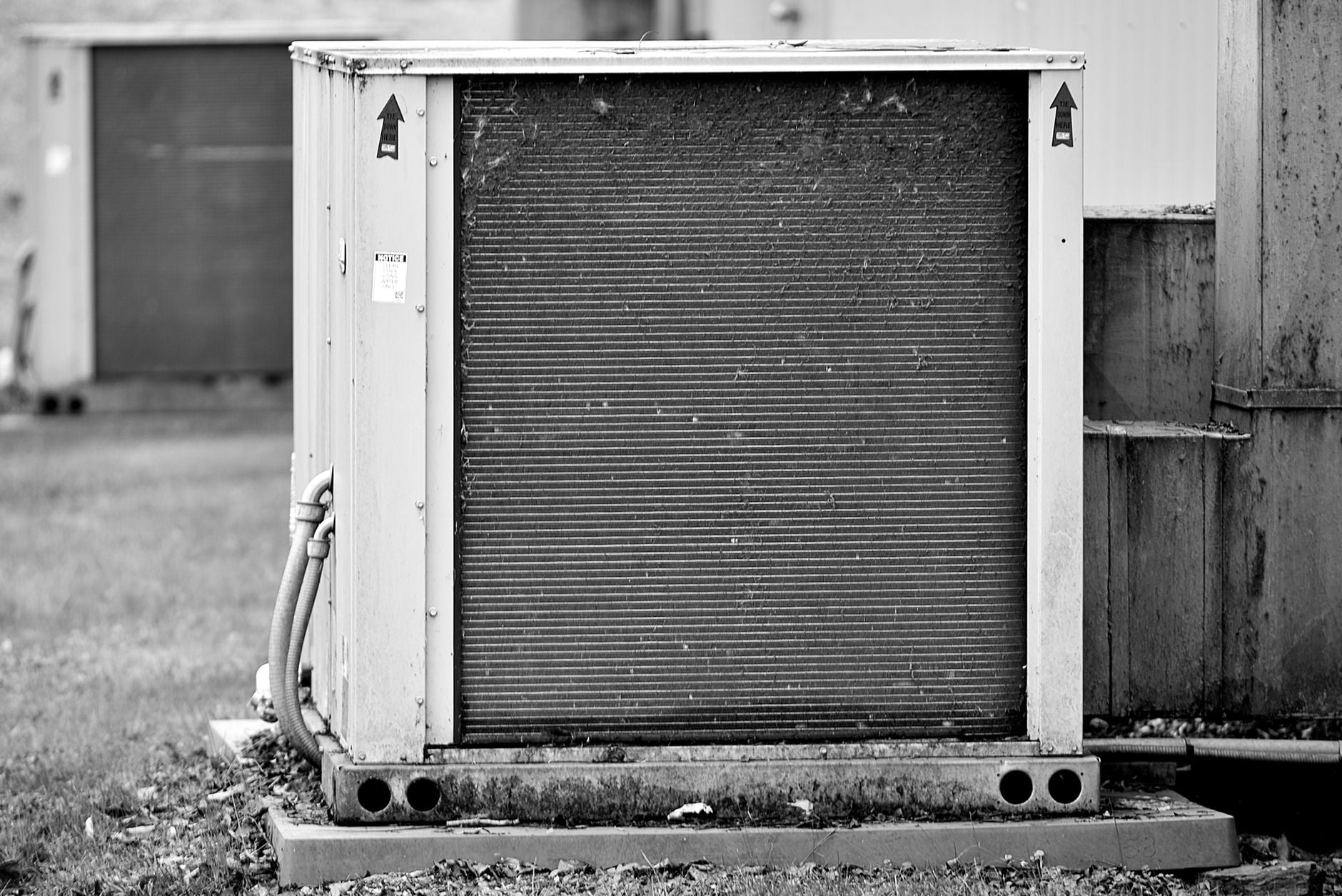
- Variable-speed compressors adjust operation to match actual cooling demand, reducing energy waste.
- Smart thermostats and zone-based cooling eliminate energy use for unoccupied spaces.
- Advanced filtration maintains system efficiency throughout equipment lifetime.
- Energy savings typically recover system cost within five to ten years.
- Reduced energy consumption benefits both household finances and environmental impact.
